DE
DE  FR
FR  IT
IT 
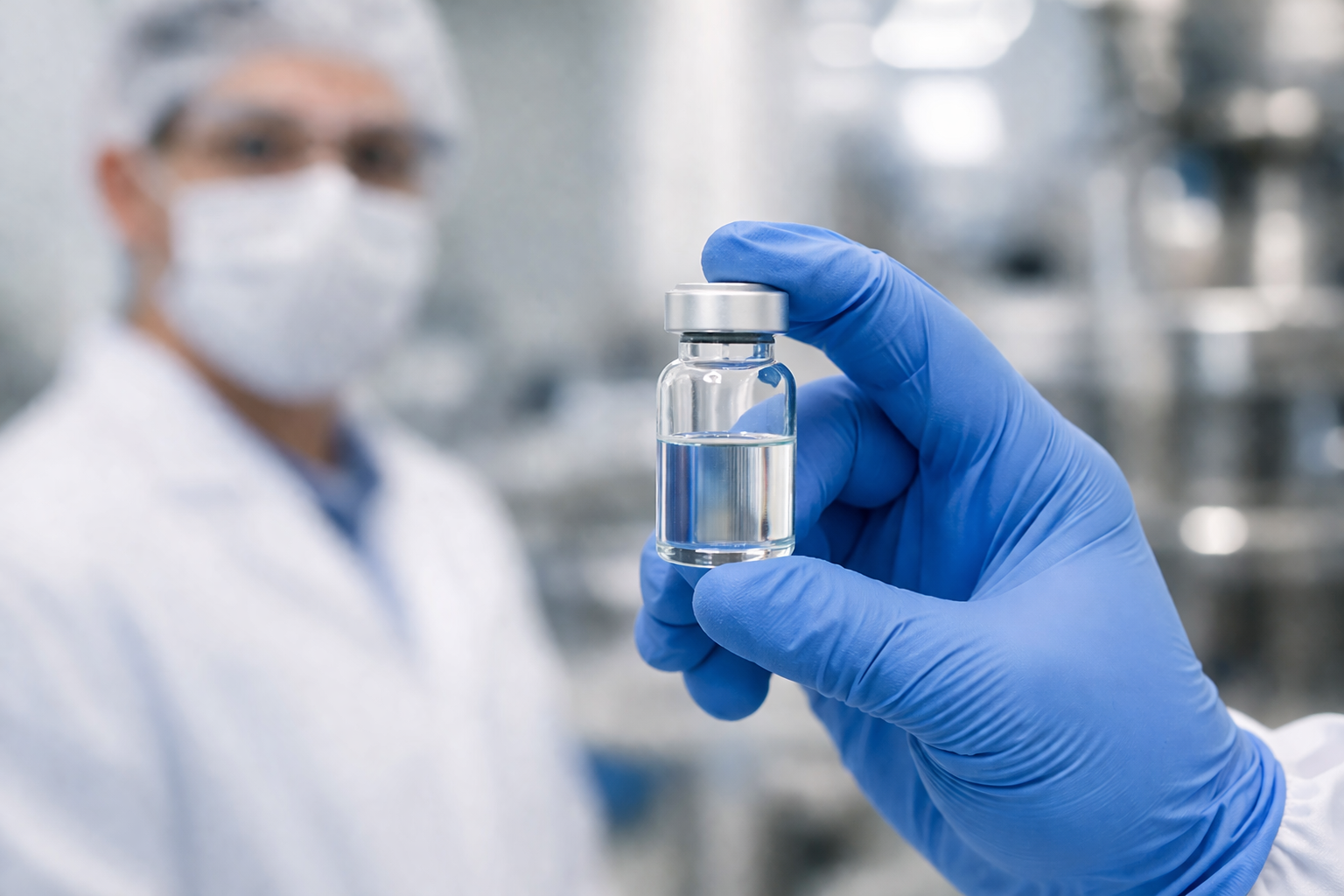
PPE for pharmaceutical laboratories includes 8 essential categories: respiratory protection, chemical gloves, sterile clothing.
- Compliance with EN 374-3 and ISO 13485 standards is mandatory to avoid regulatory penalties
- Check the chemical compatibility of your gloves with your material vigilance system before each purchase
- Inadequate PPE multiplies exposure risk by 4 according to QHSE audits
Sealed goggles, antistatic footwear, face shields, impermeable aprons, and decontamination equipment are required. Handling cytotoxic active substances without certified nitrile gloves exposes workers to serious health risks.
Many laboratories still underestimate the severity of chronic exposure to hazardous substances.
You manage the safety of a pharmaceutical laboratory where every action involves legal and human responsibility. Chemical, biological, and cross-contamination risks require highly specialized PPE, far beyond standard industrial protection. ANSM inspections strictly verify compliance with safety protocols.
The 8 essential PPE categories, their certifications, and selection criteria based on risk zones help identify supplier pitfalls regarding real product durability. Understanding EN 374, ISO 13485, and FDA standards allows you to choose the right equipment while complying with GMP.
Why do pharmaceutical laboratories require specific PPE?
A technician handles active ingredients without proper protection. The result is immediate: batch contamination, production shutdown, and regulatory penalties.
In the pharmaceutical industry, inadequate protective equipment costs far more than a fine. The stakes go beyond individual protection and directly impact the integrity of manufactured medicines.
The risks go beyond personal safety: they affect the integrity of the drugs themselves.

Invisible hazards in pharmaceutical environments
Exposure to pharmaceutical active ingredients does not always produce immediate visible effects. Organic solvents penetrate the skin, and cytotoxic substances accumulate in the body.
Some compounds pass through standard gloves in just a few minutes. Professionals often underestimate these chronic risks, unlike mechanical hazards that are immediately visible on worksites.
Cleanrooms and sterility: constraints incompatible with conventional PPE
ISO 5 to 8 standards define strict particle thresholds per cubic meter of air. Traditional fibrous fabrics are completely unsuitable for these controlled environments.
Bidirectional contamination is a major challenge, as both the operator and the product must be protected simultaneously. Materials must withstand chemical decontamination cycles without releasing fibers into the air.
A company in the sector lost 48 hours of production after selecting PPE for pharmaceutical laboratories that did not meet required sterility standards. Conventional equipment fails to meet these combined protection requirements.
Conventional equipment cannot handle these simultaneous constraints.
The 8 essential PPE categories in pharmaceutical laboratories
Working in a pharmaceutical environment requires full-body protection, from head to toe. Each production area imposes specific requirements depending on the level of risk. The choice of PPE depends directly on biological, chemical, or specific hazards present.
It is not the quantity of equipment that matters, but how precisely it matches the tasks.
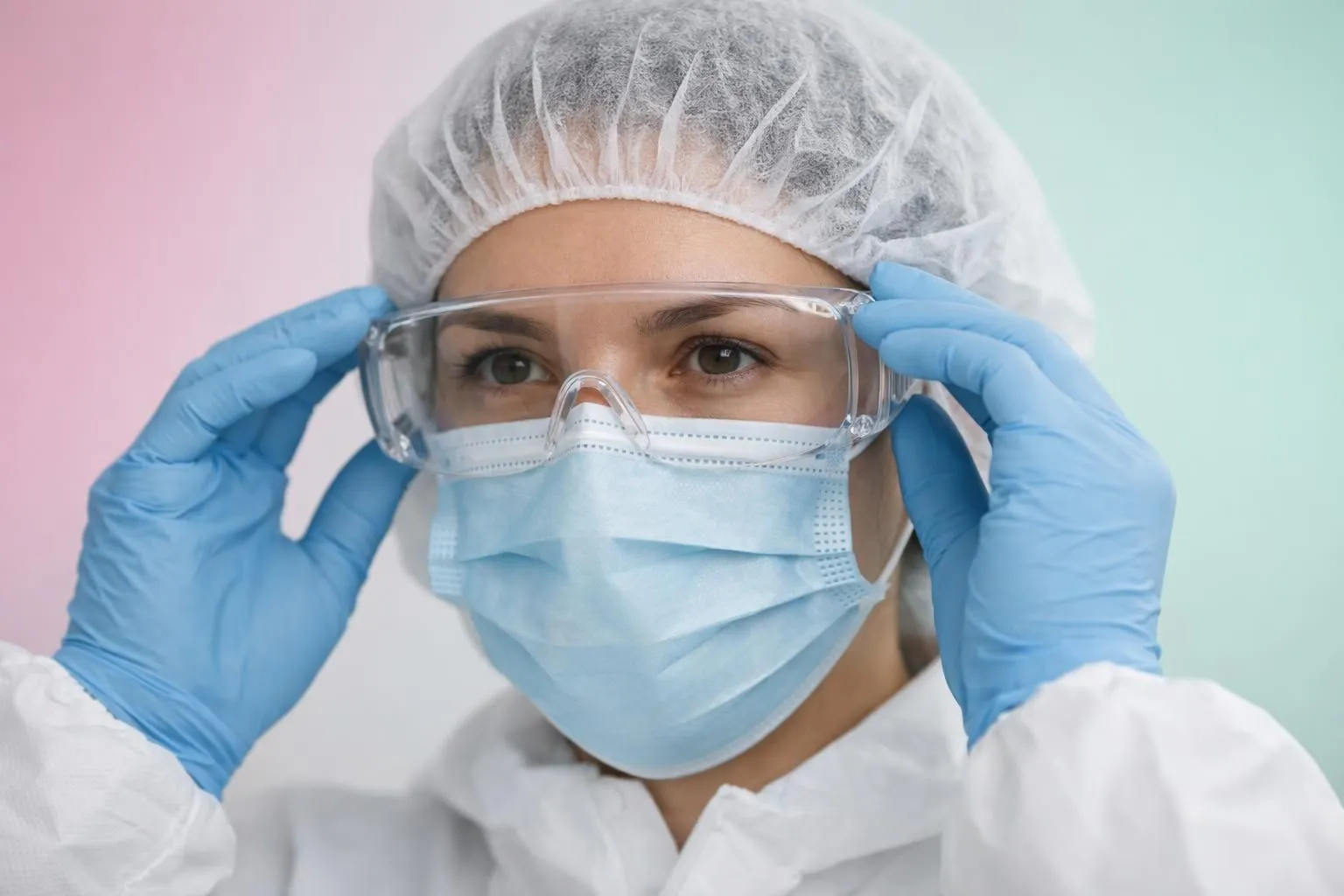
Eye protection is the first line of defense against hazardous chemical splashes. Goggles compliant with EN 166 include anti-fog treatments that are critical in cleanroom environments. Controlled humidity in these areas often reduces visibility during delicate operations.
For high-risk handling, full face shields provide better protection than standard goggles.
FFP2, FFP3 masks and powered air systems for respiratory protection
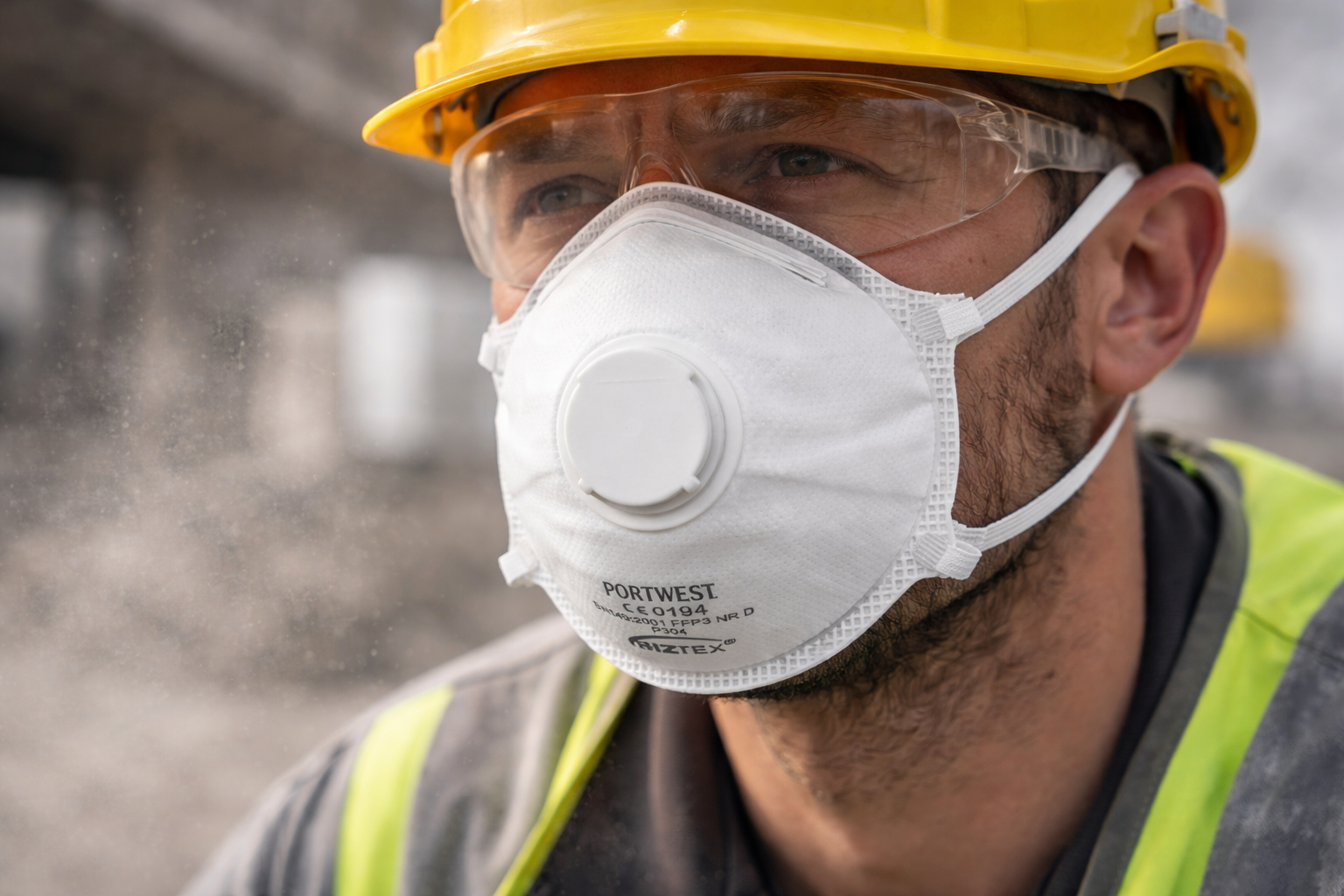
Respiratory protection includes three levels depending on exposure. FFP2 masks are suitable for standard pharmaceutical powders. FFP3 becomes necessary when handling cytotoxic substances such as chemotherapy agents.
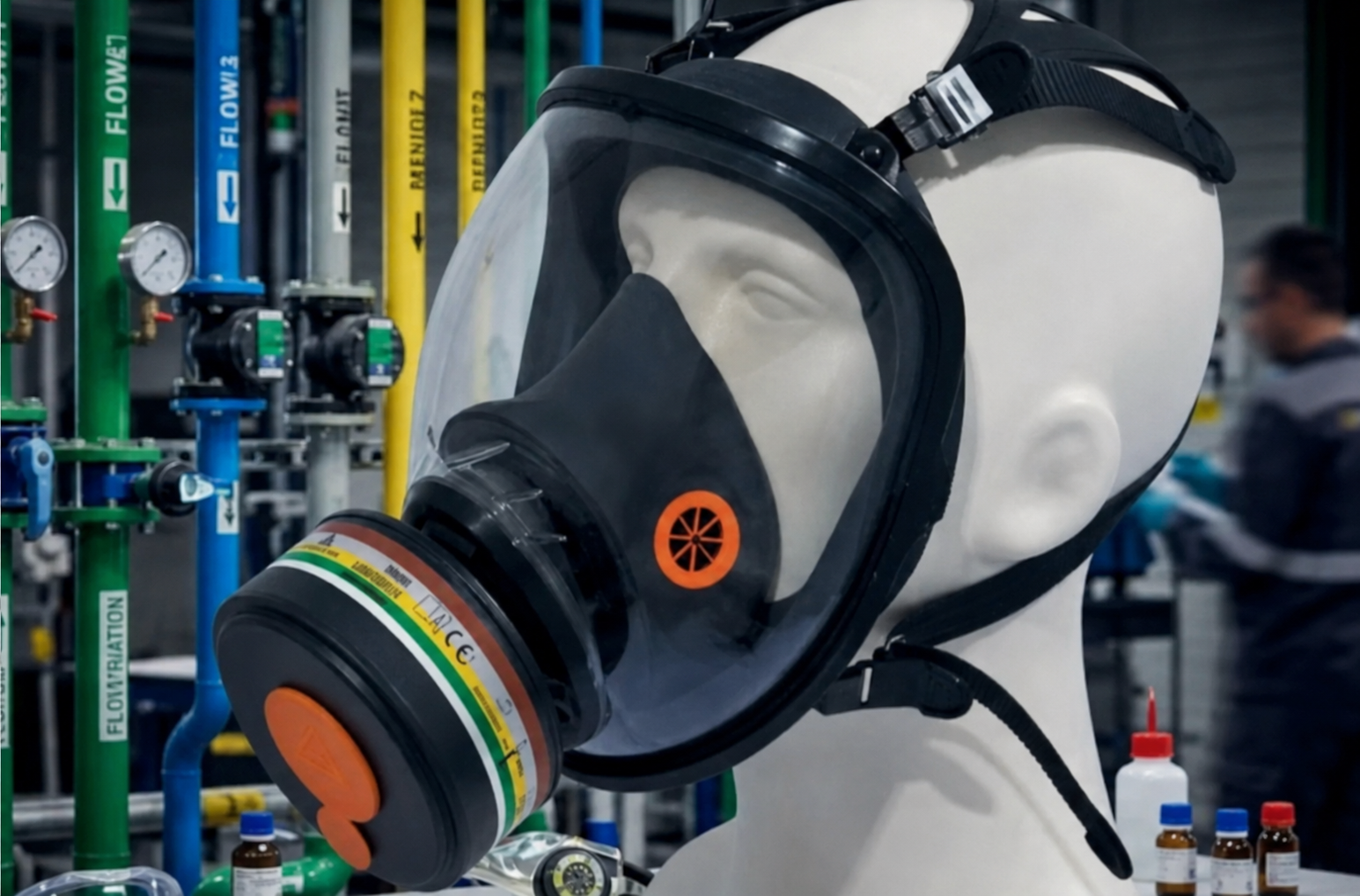
Cartridge masks filter organic vapors during solvent handling. For long operations in ATEX zones, powered air systems reduce breathing fatigue and ensure a continuous supply of purified air.
Gloves are the most frequently used PPE in pharmaceutical laboratories. Nitrile dominates due to its high chemical resistance, while latex is better suited for precision microbiological tasks.
Handling cytotoxic substances requires systematic double gloving. A thick nitrile layer must be combined with a thinner latex layer. This combination maintains dexterity during delicate operations.
Disposable coveralls, lab coats and overshoes for cleanrooms – protective clothing
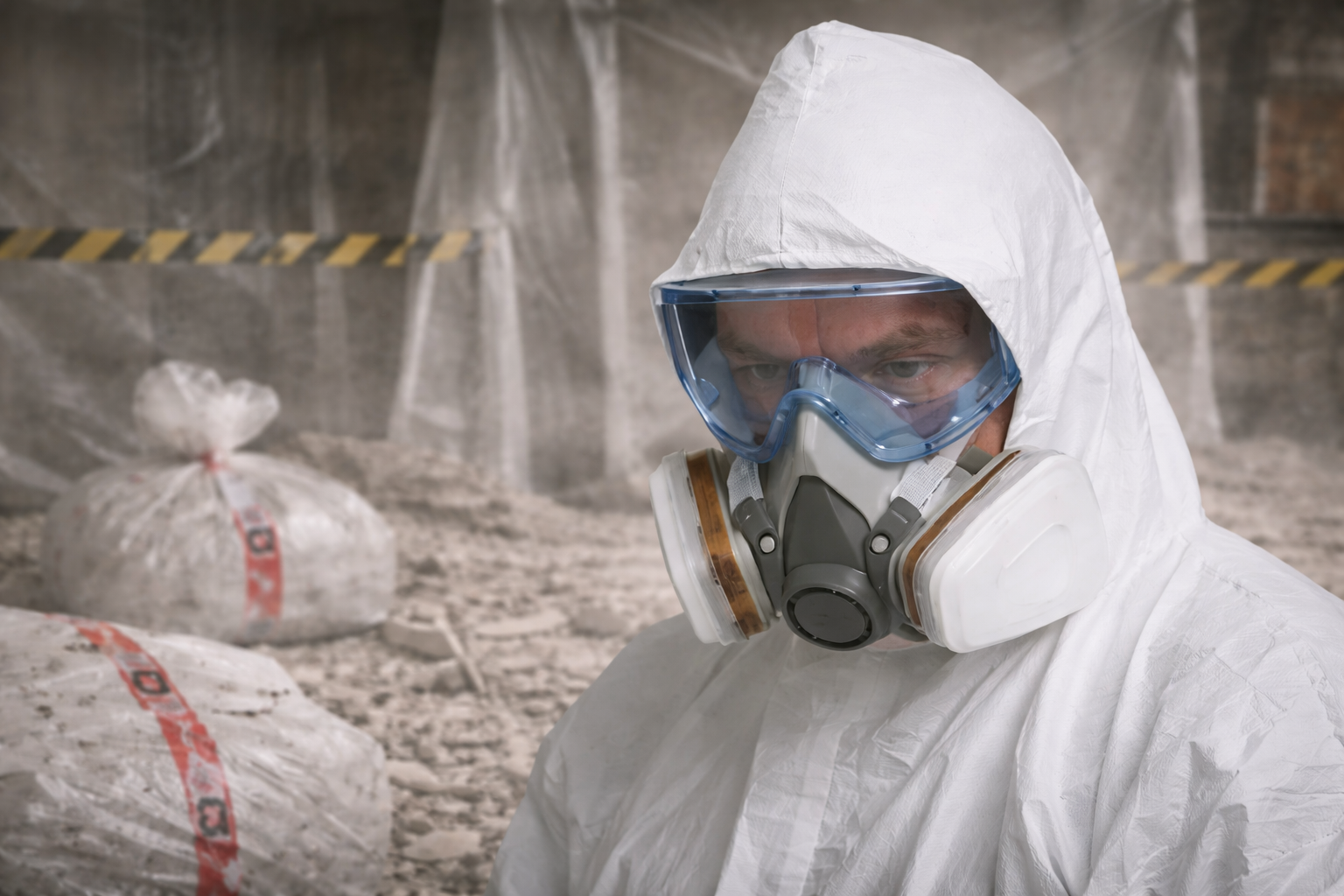
Protective equipment must match the cleanroom classification level. Type 4B/5B coveralls provide a barrier against chemical splashes.
Sterile laminated polyethylene models meet ISO 5 environment requirements. Safety footwear compliant with S2-S3 standards must be antistatic to prevent ignition risks with flammable solvents.
Caps, hoods and face protection limit human-origin particle contamination. Chemical aprons reinforce protection during large-volume transfers, especially in galenic production.
What PPE suppliers don’t tell you about durability
Technical datasheets promise optimal performance. Real-world conditions tell a different story.
Nitrile gloves lose 30–40% of their chemical resistance after two hours of continuous use with perspiration, a factor rarely mentioned by manufacturers. Worse, some disinfectants rapidly degrade elastomers, creating micro-cracks invisible to the naked eye.
Your PPE for pharmaceutical laboratories can quickly become a false sense of protection, putting teams handling active substances at risk.
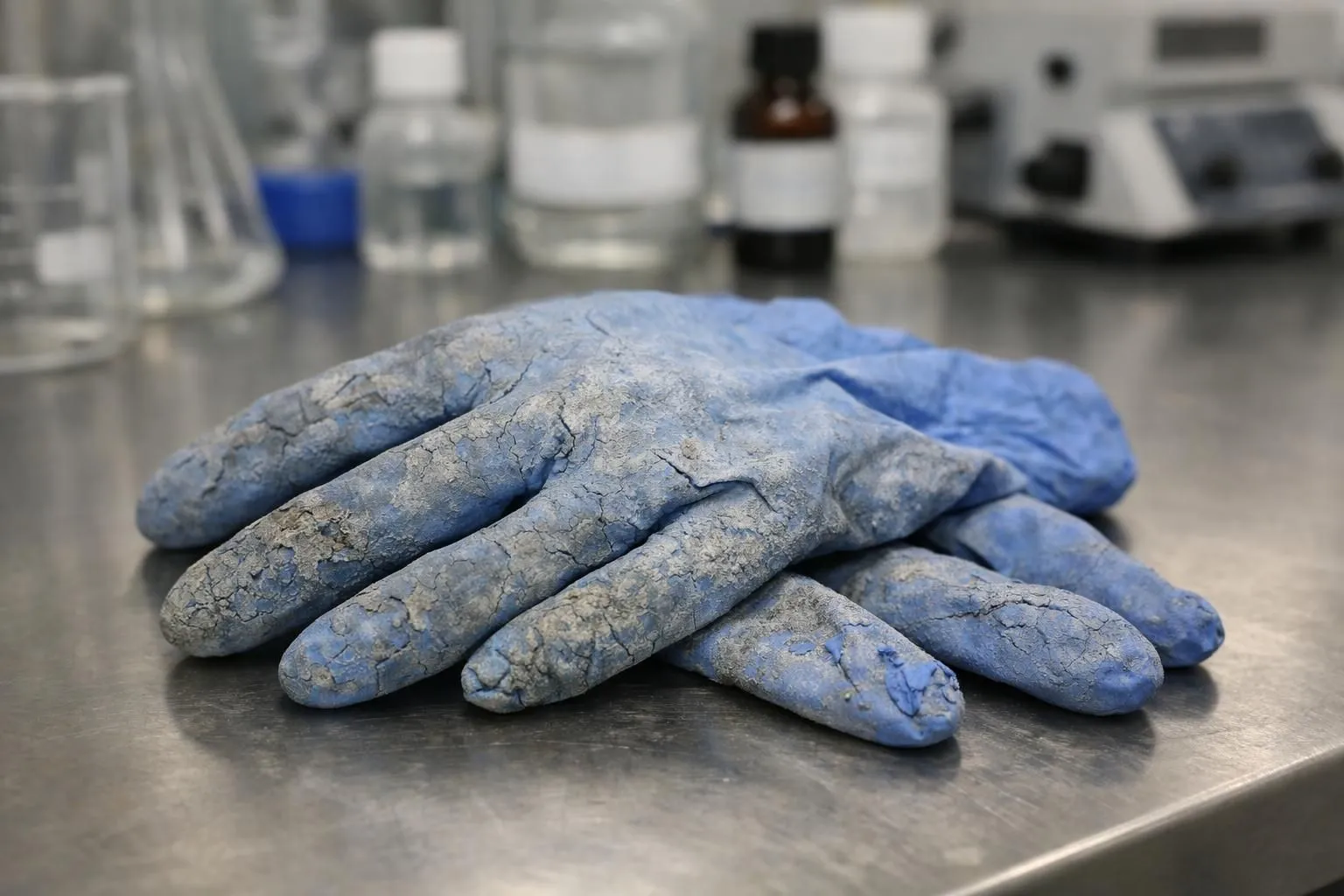
The real lifespan of gloves is much shorter than manufacturers’ specifications
Disposable coveralls type 5/6 guarantee their performance for a single use of up to four hours. Beyond that?
Seams lose their tightness, and materials lose their protective barrier. The trap of reuse is real: even after decontamination, PPE retains microscopic traces of contamination.
These residues accumulate in the fibers, silently compromising safety during the next use.
Why laboratory permeation tests do not reflect real-world use
Anses highlights a significant gap between laboratory performance and real-life exposure. Standardized tests rarely simulate extreme conditions: repeated movements, constant friction, temperature variations.
The phenomenon of delayed permeation illustrates this limitation: some solvents pass through gloves after 15 to 30 minutes without visible signs of degradation. Add FFP masks stored in humid environments (above 80% humidity), which lose their filtration capacity, and it becomes clear why paper compliance never guarantees real protection.
Oxwork advice: establish a strict replacement protocol based on actual exposure duration, not manufacturer recommendations. For your PPE for pharmaceutical laboratories, prioritize frequent rotation and regularly test the integrity of chemical barriers using detection kits adapted to the substances handled.
Decoding mandatory certifications, standards and regulations
Purchasing PPE for pharmaceutical laboratories without verifying certifications exposes staff to major legal and health risks. CE marking alone is not enough to guarantee compliance. You must identify which risk category matches your laboratory activities.
Pharmaceutical laboratories handling active substances or biological agents must use Category III protection. This category covers life-threatening or irreversible health risks. Certification requires intervention from a notified body, identified by a four-digit number next to the CE marking.
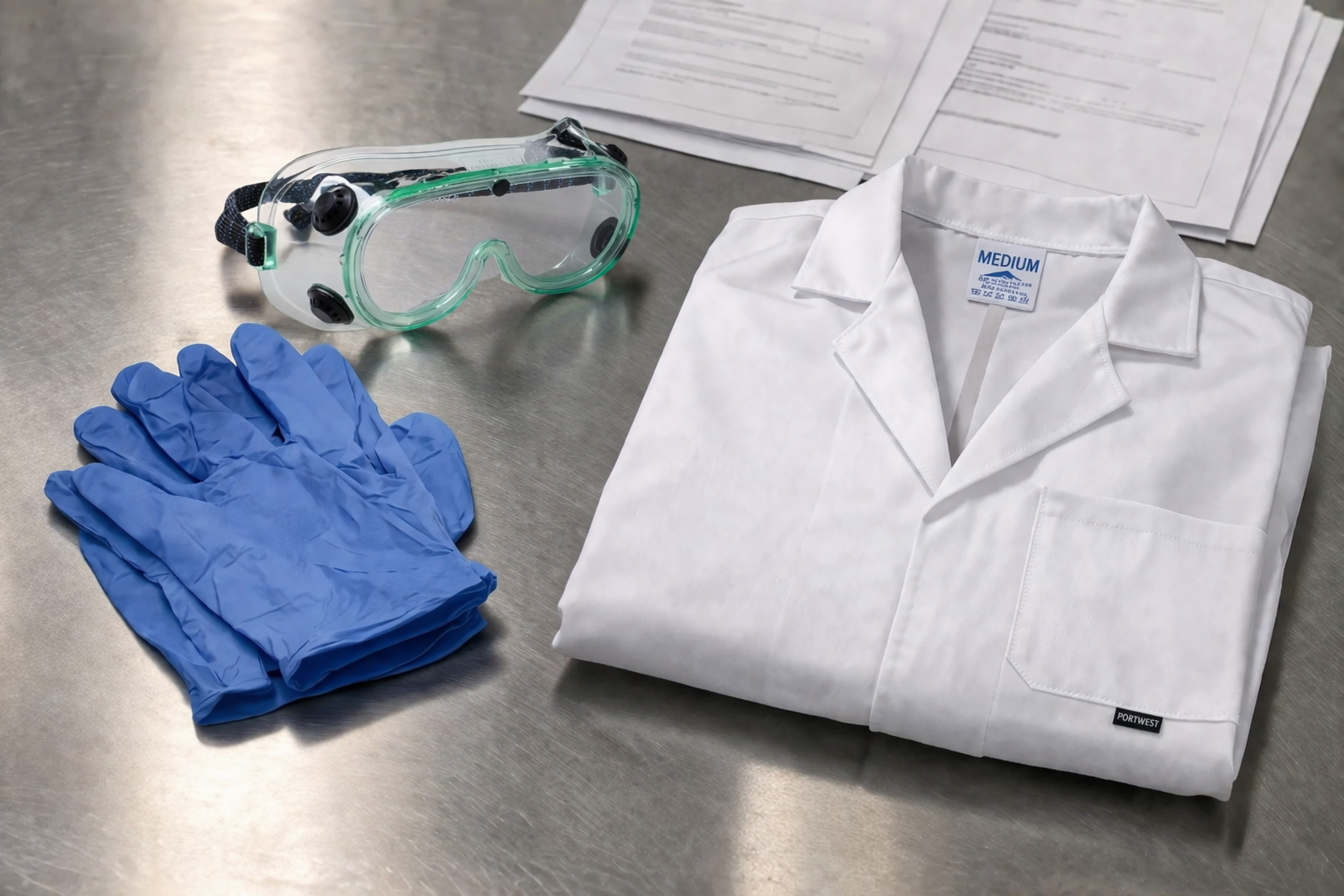
Understanding the 3 risk categories of PPE Regulation 2016/425
The PPE Regulation 2016/425 organizes protection into three levels based on the severity of identified risks. Category I covers minimal risks such as light handling gloves. Category II concerns intermediate everyday risks. Category III protects against direct life-threatening hazards.
For pharmaceutical laboratories, you must rely exclusively on this last category when handling cytotoxic agents or hazardous microbial cultures. Your risk assessment document must justify this choice of protection. Labor inspections will systematically verify this alignment during audits.
GMP, ISO 14644 and EN 14126: standards specific to the pharmaceutical sector
Good Manufacturing Practices require strict documentation traceability for all equipment. Each batch of PPE must include a declaration of conformity specifying applicable standards. For ISO 14644 cleanrooms, you must verify the particle emission of the coveralls used.
Inadequate certification can contaminate classified areas and disrupt production. The EN 14126 standard remains essential for handling infectious agents, as it ensures protection against microbial penetration. Chemical gloves must comply with EN 374, including specific pictograms and detailed permeation tables.
You must analyze permeation times of molecules before each use. A glove resistant to ethanol does not necessarily protect against chlorinated solvents. For eye protection, EN 166 defines required optical classes and mechanical resistance.
Consult experts to validate the compliance of your current equipment.
How to select the right PPE for each area of your laboratory
Each area of your pharmaceutical laboratory presents very specific risks. You cannot apply the same protection everywhere. Receiving raw materials exposes teams to allergenic dust during unpacking.
By contrast, handling cytotoxic substances requires total containment. A structured selection matrix helps avoid poor purchasing decisions and ensures effective protection for your teams.
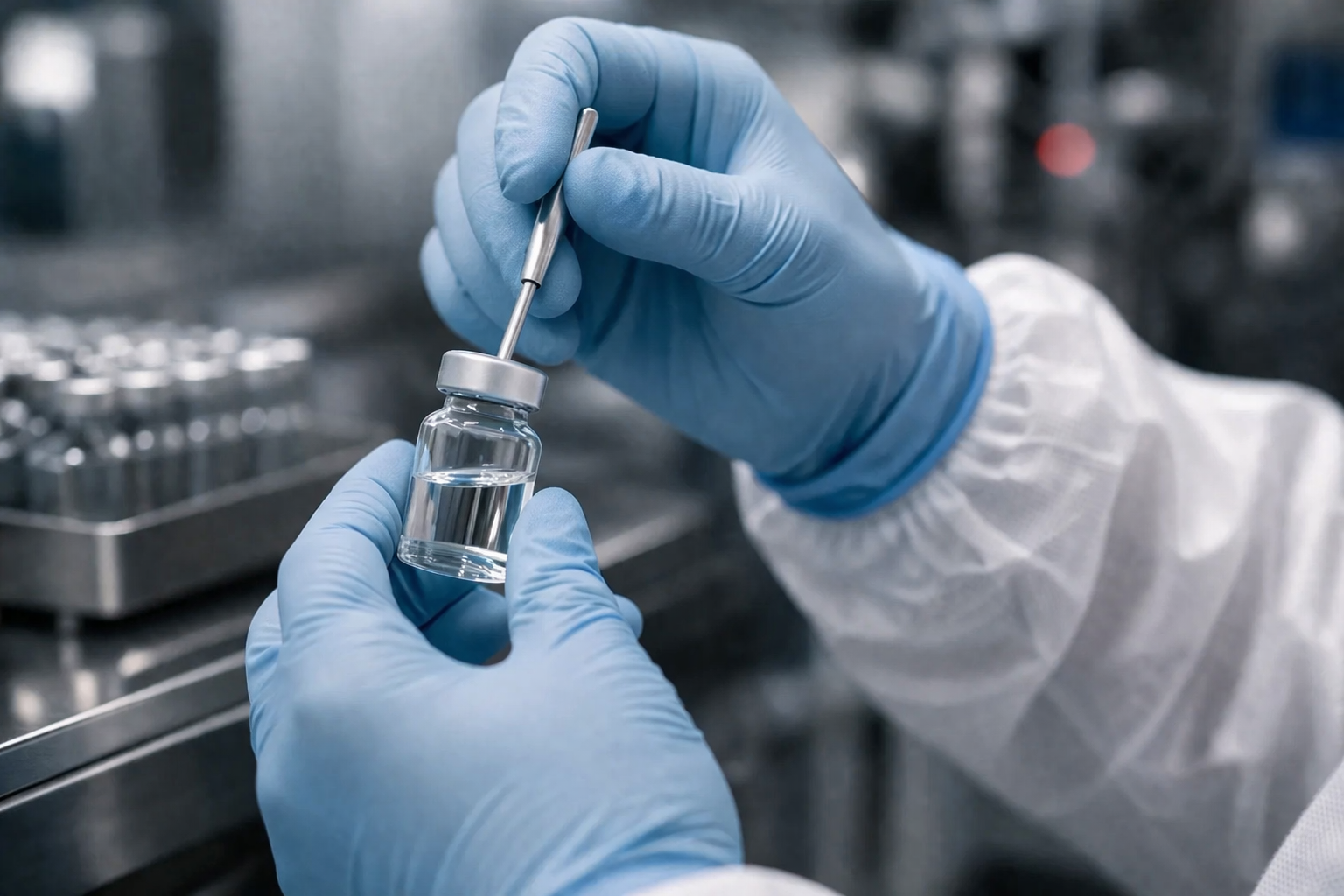
You must start by mapping your zones and associated risks. For raw material reception, use tear-resistant nitrile gloves compliant with EN 374. Add panoramic goggles and an FFP2 mask.
In weighing areas, powder concentrations become high. You must switch to a type 5 coverall that protects against particles. Plan for double gloving and an FFP3 mask. Laminar flow hoods never replace individual PPE.
Cross-referencing risks, zones and protection levels
ISO 7 cleanrooms (class 10,000) require dual protection: for both the operator and the sterile product. You must wear sterile coveralls, sterile gloves, caps and overshoes. In quality control labs, dexterity often takes priority over robustness.
Thin nitrile gloves (0.1–0.15 mm) allow micropipette handling while maintaining chemical protection according to INRS recommendations.
Recommended equipment for 5 common pharmaceutical activities
| Area | Essential PPE | Minimum standard |
|---|---|---|
| Receiving | Nitrile gloves + goggles + FFP2 | EN 374 + EN 166 |
| Weighing | Type 5 coverall + double gloves + FFP3 | EN ISO 13982-1 |
| ISO 7 production | Full sterile outfit | ISO 14644-1 |
| Cytotoxic handling | Type 3 coverall + specialized gloves + powered air system | EN 14605 + EN 374-3 |
| Quality control | Lab coat + thin gloves + chemical goggles | EN 14126 |
Always check manufacturers’ permeation tables for each product used. A glove resistant to acids may allow organic solvents through in 15 minutes. Annual fit testing of respirators remains critical, as a poorly fitted mask loses up to 60% of its effectiveness.
Thermal comfort during 6–8 hour shifts is often overlooked, yet it directly impacts PPE compliance.
Frequently asked questions about PPE in pharmaceutical laboratories
Safety managers regularly ask practical questions about daily PPE management. These answers help avoid costly mistakes.
Disposable cleanroom coveralls never exceed 8 hours of continuous use. Beyond that, fibers lose filtration efficiency and compromise sterility.
These items are single-use, even if they appear to be in good condition.
Answers to the 6 most common questions from safety managers
No, reusing gloves after decontamination exposes users to invisible micro-permeation. Chemical molecules can migrate through weakened material.
To verify glove compatibility with your substances, consult manufacturer permeation tables. These indicate breakthrough times for each chemical family (solvents, acids, bases).
Pregnant workers require special attention in pharmaceutical environments. Reinforced protection is recommended, with complete exclusion from cytotoxic handling areas.
INRS defines specific measures under CMR regulations. Staff training is mandatory: initial training followed by annual refreshers ensures correct use of PPE for pharmaceutical laboratories.
Oxwork advice: store PPE in a controlled environment (15–25°C), away from UV exposure and with humidity below 60%. Label each box with the delivery date to apply FIFO (first in, first out).
| Question | Key answer |
|---|---|
| Disposable coverall lifespan | Single use, max 8h |
| Glove reuse | Prohibited (micro-permeation) |
| Optimal storage | 15–25°C, no UV, low humidity |
Secure your teams with certified and compliant PPE
Protecting your teams in pharmaceutical environments requires a structured and methodical approach. You must map risk zones, select equipment suited to chemical and biological hazards, and ensure full traceability. These three elements form the foundation of an effective safety strategy.
Each exposure level requires a proportional response, from antistatic garments to fully sealed protective suits.
The 4 non-negotiable criteria for your pharmaceutical PPE purchases
Cutting corners on protective equipment quality puts your teams at risk. Investing in certified PPE for pharmaceutical laboratories prevents costly incidents. A production shutdown due to contamination can cost far more than your annual PPE budget.
- CE Category III certification: regulatory guarantee against life-threatening or irreversible risks
- Sector-specific standards: EN 14126 for biological agents, EN 943 for chemical protection
- Complete documentation: technical datasheets and test certificates for smooth GMP audits
- Batch traceability: serial numbers and expiration dates traceable at any time
Regulatory penalties can quickly exceed initial cost savings. According to RS Components recommendations, compliance with standards remains mandatory in pharmaceutical environments. Oxwork provides a full range of equipment aligned with these safety requirements.
Technical support helps identify solutions adapted to your protocols. Training remains critical for daily operations. The best PPE for pharmaceutical laboratories offers no protection if not properly used and maintained.
Training is a key factor: even the best PPE fails if it is not used correctly.
Your PPE strategy for pharmaceutical laboratories
Selecting PPE for pharmaceutical laboratories is not about ticking compliance boxes. It is a commitment to team safety and operational continuity.
The eight categories of equipment outlined form a coherent protection system. Their real effectiveness depends on three factors: correct certification, proper maintenance, and continuous user training.
Start with an audit of your current equipment. Identify PPE reaching end-of-life or no longer aligned with updated standards.
Need guidance to select certified and durable PPE? Oxwork supports pharmaceutical laboratories in choosing compliant equipment that meets the highest industry requirements.
A complete range of PPE is available for controlled environments, with detailed technical sheets and tailored support for each risk type. Your team deserves uncompromised protection.
Laboratory safety starts with the right equipment.