DE
DE  FR
FR  IT
IT 

A work coverall protects the operator while optimizing mobility, in compliance with sector standards (ISO 11612, EN 343, EN 14404).
• Comply with mandatory certifications according to your activity (welding, construction, chemicals)
• Prioritize high-resistance technical fabrics to reduce replacement costs
• Check compatibility with your additional PPE (harness, knee protection)
Wearing the wrong coverall on a job site? Risk of accidents, chronic discomfort, and non-compliance during inspections.
Work coveralls remain the preferred equipment for professionals for one simple reason: they combine full protection and freedom of movement in a single garment. Unlike separate outfits, they eliminate friction points and ensure consistent coverage of risk areas (contrary to common belief, it’s not just about convenience).
Our B2B clients and QHSE managers too often report unsuitable purchases: fabrics that are too thin for welding, restrictive cuts for electricians, lack of compliant reflective bands. Oxwork centralizes certified models for each profession.
You will discover why some professionals keep their coveralls for five years while others replace them every six months. We analyze the key technical criteria (fabric weight, seams, ventilation systems), sector standards, and common purchasing mistakes that generic catalogs tend to ignore.
Finally, maintenance tips to extend the lifespan of your equipment.v
Why work coveralls remain the preferred equipment for professionals
Professionals working in demanding conditions need truly protective equipment. Work coveralls remain the top choice for thousands of them, well ahead of the classic trousers-and-jacket combination.
This preference is based on practical, everyday reasons. They protect against splashes, abrasion, and all types of dirt.
Frankly, you benefit from full-body coverage without any interruption. The fabric leaves no exposed areas between the top and bottom.
You avoid the garment riding up during repetitive movements. This seamless protection explains why 80% of coveralls used in construction and industry are work blue, as confirmed by industry reference guides.
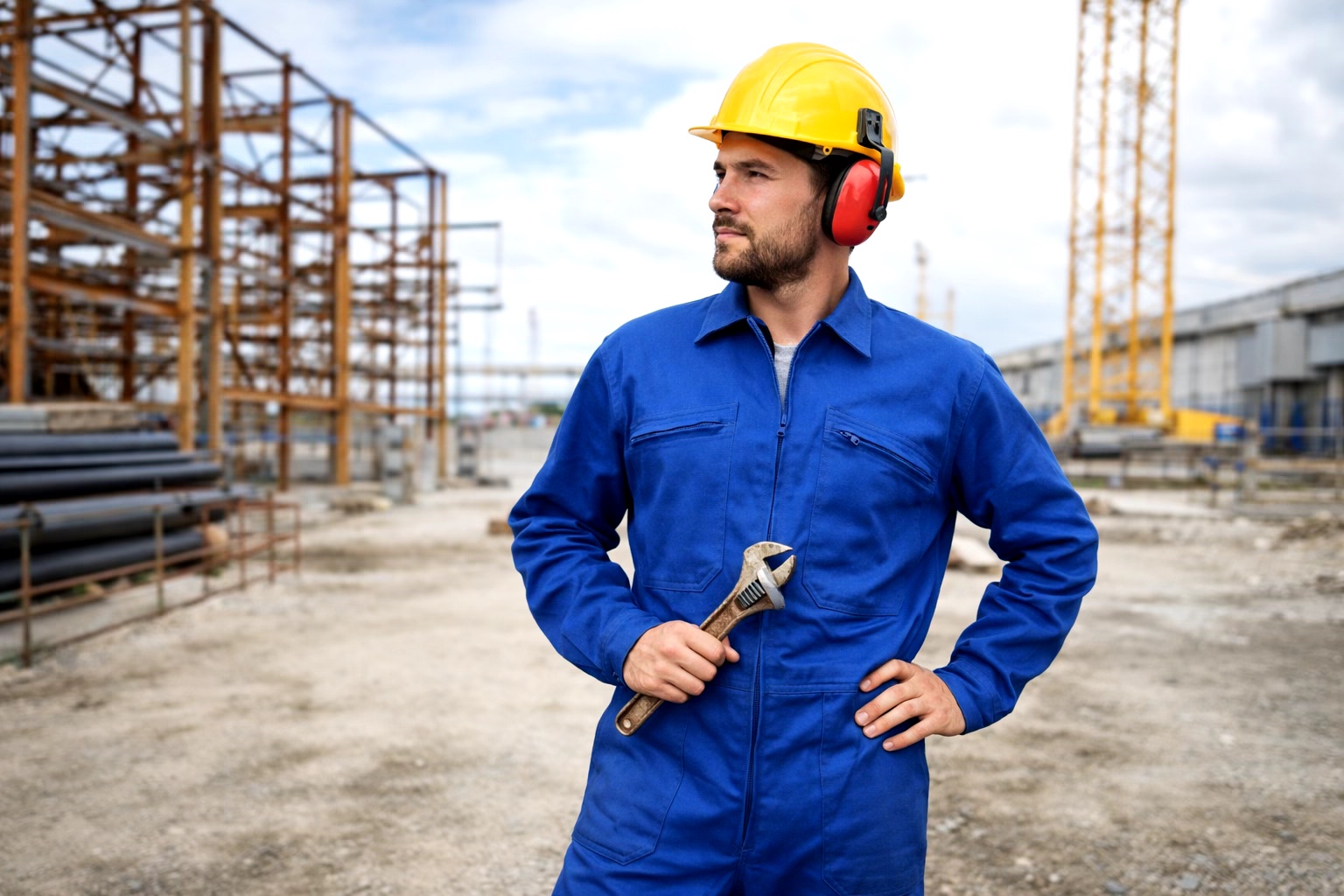
Full protection and everyday practicality
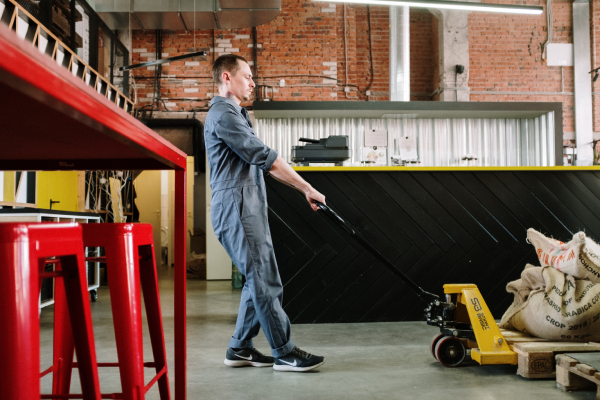
Beyond full protection, this garment offers ergonomic features designed for daily work. Current versions include carefully placed multifunction pockets and reinforced knees for prolonged crouching positions. Frankly, elastic cuffs and waistbands help keep out dust and debris.
The zip fastening allows you to put it on in seconds, saving valuable time every day. Manufacturers offer sizes from XS to XXXL, covering 95% of professional body types.
Widespread adoption in physical trades
Mechanics, metalwork, industrial maintenance, agriculture. These sectors share a strong preference for this type of workwear. PPE specialists recommend adapting the choice to the specific job. Frankly, construction requires reinforced knees and tool pockets.
The electronics industry requires models without metal components. The healthcare sector imposes specific color codes. This job-specific adaptation highlights the limitations of the trousers-and-jacket combination compared to an integrated design approach.
How to choose your coveralls based on your industry
Each profession has different requirements when it comes to workwear. A mechanic exposed to oil splashes does not have the same needs as an electronics technician.
Your real constraints should guide your choice: abrasion on job sites, electrostatic charges in cleanrooms, or sterility in medical environments. This understanding turns a basic purchase into a relevant investment for your activity.

Frankly, the industry defines three essential criteria: the fabric for mechanical resistance, reinforcements on wear zones, and accessories such as pockets or fastenings.
Many prioritize price at the expense of compliance with standards. Safety experts recommend starting from identified risks before evaluating commercial options. This approach prevents unsuitable purchases and costly premature replacements.
Construction and mechanical sectors: durability above all
Worksite and workshop environments require thick fabrics with well-placed reinforcements. Polycotton 65/35 (65% polyester, 35% cotton) combines abrasion resistance and breathability optimally.
Frankly, critical areas such as knees, elbows, and seat require a fabric weight above 280 g/m². Multifunction pockets hold tape measures, levels, and small tools without deforming the garment.
In construction, 80% of coveralls are work blue to hide dirt and improve team visibility on site.
Industry and electronics: ESD protection and comfort
Sensitive environments require antistatic models without metal components. Plastic zippers and conductive seams eliminate charges without damaging circuits.
Frankly, EN 1149-5 standards guarantee this protection against static electricity. Comfort remains essential: these professionals wear their equipment for eight consecutive hours in climate-controlled environments.
Lightweight fabrics from 200 to 240 g/m² reduce excessive perspiration.
Agriculture and healthcare: lightness and hygiene
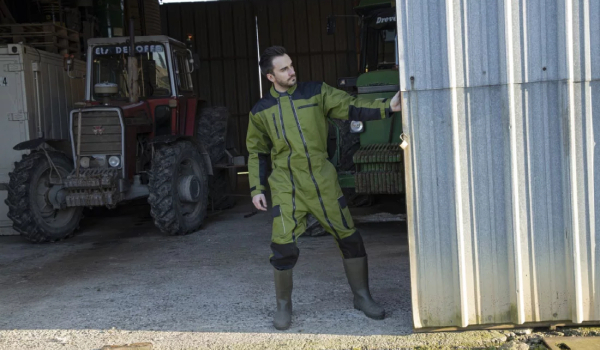
These sectors adopt specific colors and practical maintenance. Agriculture chooses green to hide plant stains, while healthcare requires white to quickly detect any contamination.
Frankly, lightweight polycotton blends, up to 190 g/m², allow repetitive movements and withstand frequent washing at high temperatures. Breathability becomes essential in summer, especially for outdoor work or tasks performed under coats.
The 5 technical features that make the difference
Buying work coveralls without checking their technical features often costs twice the initial price. Entry-level models quickly show their limits, with worn-out knees within three months. Frankly, faulty zippers and pockets that give way.
A few objective criteria help identify durable equipment even before the first wash.
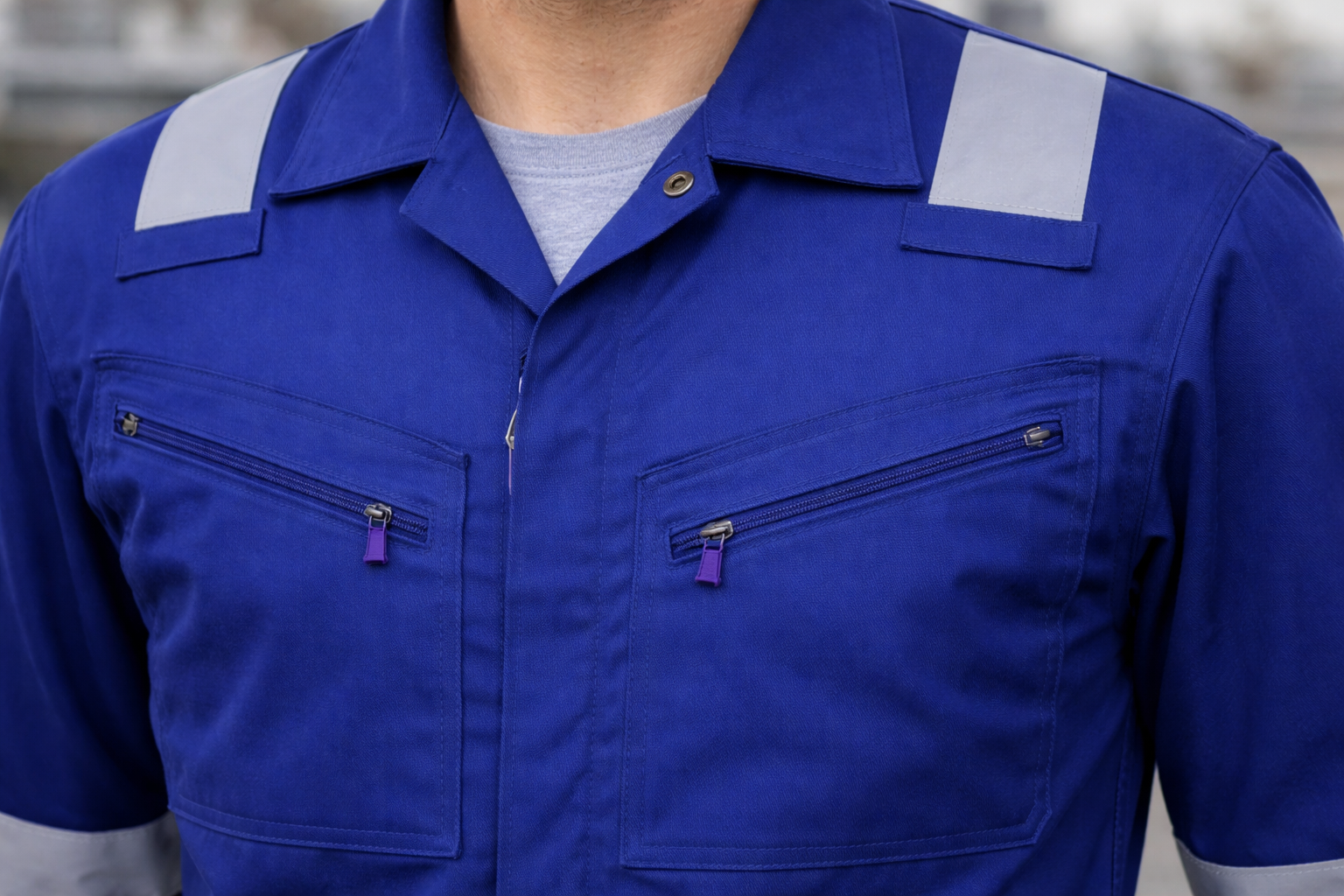
La chiusura determina direttamente il tempo necessario per vestirsi ogni giorno. Una zip semplice classica costa meno, ma obbliga a indossare la tuta dal basso. Questo diventa complicato con scarpe di sicurezza alte. La doppia zip con apertura dall’alto e dal basso permette di regolare la ventilazione.
Francamente, facilita anche una vestizione rapida in situazioni di emergenza. Questo dettaglio è fondamentale per interventi dei vigili del fuoco o nell’industria chimica. I nostri team osservano una chiara preferenza per questo sistema. I professionisti che indossano l’equipaggiamento per più di sei ore consecutive lo scelgono in massa.
Durabilità e praticità massime: rinforzi e tasche
Le zone critiche richiedono una protezione rinforzata e adatta all’uso quotidiano. È necessario verificare la presenza di rinforzi ergonomici su ginocchia, gomiti e cavallo. Questi tre punti concentrano l’80% dell’usura precoce secondo gli standard tessili professionali. Il sistema di tasche merita altrettanta attenzione per ottimizzare l’efficacia sul lavoro.
Francamente, le posizioni laterali sono più adatte agli utensili pesanti perché evitano squilibri. Le chiusure sicure proteggono i piccoli oggetti da perdite accidentali. La vita deve permettere l’uso di guanti spessi senza limitare i movimenti. I modelli recenti offrono fino a dodici comparti funzionali senza appesantire la struttura complessiva.
Chiaramente, le regolazioni morfologiche su polsi, vita e caviglie garantiscono una tenuta senza compressione. Il policotone 65/35 resta lo standard per la resistenza ai lavaggi industriali a 60°C. Il 100% cotone sopporta temperature elevate ma tende a restringersi nel tempo. È necessario confrontare sistematicamente la conformità alle norme EN in termini di resistenza all’abrasione.
Richiedete almeno un livello 2 e una classe A per la resistenza allo strappo. Queste certificazioni garantiscono una durata superiore a 24 mesi in uso intensivo.
Ciò che gli altri venditori di DPI non ti dicono
Le schede prodotto spesso nascondono la reale durata dei capi professionali. I numeri sono scomodi e restano sotto silenzio.
Una tuta in policotone entry-level resiste da 60 a 80 lavaggi prima di perdere le sue proprietà. Le gamme professionali superano i 120 cicli, a volte 150 per i tessuti rinforzati.
Questo silenzio commerciale ti costa caro se rinnovi le scorte due volte più spesso. Francamente, la grammatura del tessuto rivela differenze importanti tra i prodotti.
Un 200 g/m² base rispetto a un 280 g/m² rinforzato offre il 40% di resistenza in più all’abrasione. Alcuni produttori giocano sulle tolleranze di peso di ±5%.
Altri dichiarano valori teorici mai verificati in produzione. Devi richiedere un campione fisico prima di qualsiasi ordine importante.
Le toucher ne trompe pas.
The truth about actual lifespan
Investing €20 more per unit reduces replacement by 50% over three years. Our experience shows that companies rarely calculate the total cost of ownership.
They prioritize the upfront purchase price, then discover hidden costs: new orders, logistics management, training for new equipment. A €75 coverall that lasts twice as long as a €55 model generates a net saving of €35 per user.
Certifications and quality gaps between brands
Partial EN markings mislead time-pressed buyers. A supplier may claim “EN 13034 compliant” without mentioning that only the hood meets this standard.
Frankly, you should request full certificates for each production batch. European standards require strict testing, but some importers bypass these controls by splitting certifications by component.
Always verify traceability.
The rarely explained comfort–protection trade-off
Heavier fabrics protect better. Obviously.
But they restrict movement in summer, tire muscles faster, and increase the risk of dehydration. Catalogs tend to ignore this trade-off.
Frankly, sizing varies between manufacturers: an XL in one brand may correspond to an L in another. Test models before placing bulk orders to avoid costly returns.
Extend the lifespan of your equipment: maintenance and durability
A well-maintained work coverall easily lasts three times longer than a neglected one. However, few manufacturers explain how to avoid common mistakes: washing at excessively high temperatures that fade fabrics, aggressive drying that shrinks polycotton, or improper storage that deforms seams.
Our experience shows that a rigorous maintenance protocol drastically reduces premature replacements, with a direct impact on your budgets and your environmental footprint.
Best practices for washing and drying
Follow the maximum temperatures depending on the material: 60°C for reinforced cotton, 40°C for polyester blends. Industrial detergents without bleaching agents preserve technical fibers better than standard laundry products.
A gentle cycle is enough to remove light dirt such as dust or oils. Frankly, for stubborn stains, a targeted pre-treatment avoids repeated washing that prematurely wears out the fabric.
Avoid tumble drying for polycotton garments: high heat causes irreversible fiber shrinkage. Prefer air drying on wide hangers to maintain shape and preserve reinforcements.
In a dry environment, regular stock rotation ensures even aging of your equipment.
Repair and storage to maximize lifespan
Regularly check friction points such as the crotch, elbows, and pockets. Adding reinforcement as soon as a weak spot appears costs less than €5 at a tailor—compared to €60 to €150 for buying a new garment.
Replace damaged zippers before they affect the surrounding fabric. This simple but regular preventive maintenance extends lifespan by 18 to 24 months according to ADEME recommendations.
Frequently asked questions about work coveralls
Buying work coveralls raises recurring questions. Size, compliance, delivery times: these criteria weigh on your decision. Frankly, our teams answer these questions every day.
Concrete solutions we provide to both professional and individual customers.
How to choose the right size
Take your chest, waist, and total height measurements. European manufacturers offer standard sizes from S to 4XL, but fits vary from one brand to another.
Frankly, some models run small, others large. You will find precise size charts in our product pages for each reference.
For atypical body types, choose models with elastic adjustments at the back or an adjustable waistband.
Mandatory standards and certifications
The EN ISO 13688 standard defines the basic requirements for all protective clothing. Specific certifications complete this framework: EN 14404 for reinforced knees (tilers, plumbers). Frankly, EN 343 for weather protection (outdoor construction), EN ISO 11612 for thermal risks (welding).
You must check the requirements specific to your sector before placing any order. Labor inspections strictly enforce these points.
Delivery and customization
Standard models are delivered to your location within 24 to 48 hours. Logo embroidery takes between 7 and 10 working days, usually with a minimum order of 10 pieces. You have 30 days to return items as an individual customer, but B2B contracts may include different conditions.
A €30 model offers a basic fabric weight of 200 to 240 g/m², without advanced certifications. Frankly, at €80, you get reinforced fabric from 280 to 320 g/m², with triple-stitched finishes and multiple certifications ensuring triple durability.
Oxwork recommends keeping your invoices and certificates of compliance.
As they serve as legal proof in the event of an inspection or workplace accident.
Find your ideal work coveralls today
Choosing the right work coveralls is a direct investment in the safety and comfort of your teams. The selection criteria remain fairly simple to identify in order to make the right choice.
You need to adapt the model to your sector of activity and prioritize materials that comply with current standards. Also check the technical features that match your daily on-site constraints.
Frankly, compare the available options based on the specific risks of your profession to avoid unpleasant surprises. An unsuitable coverall leads to high replacement costs and creates ongoing discomfort for your employees.
The full range of professional coveralls from Oxwork offers certified models designed to withstand demanding environments. Browse the online selection to find equipment that effectively protects your team every day. Each product page details applicable standards, materials used, and integrated reinforcements.
Your profession deserves equipment that lives up to the job.