DE
DE  FR
FR  IT
IT 
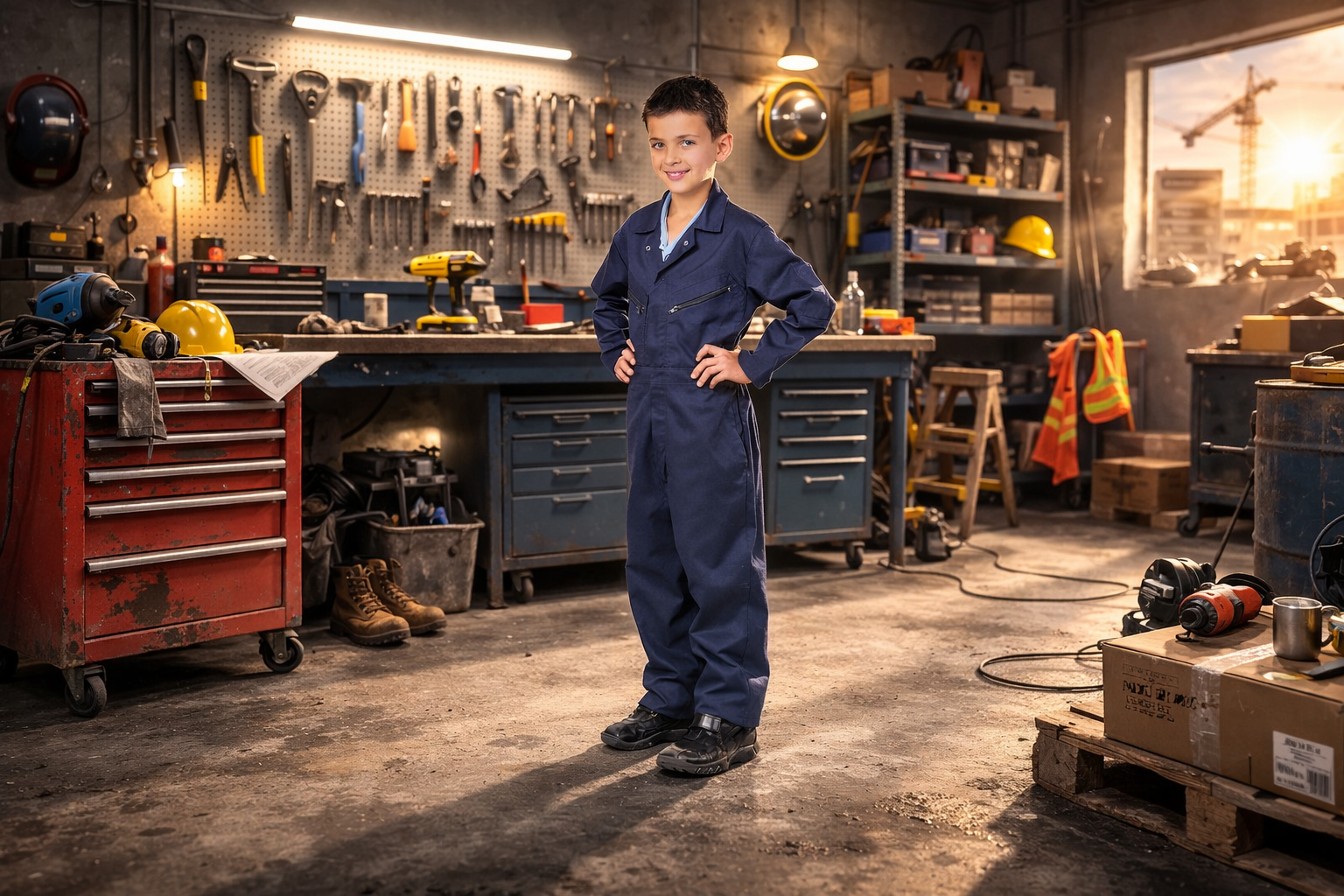
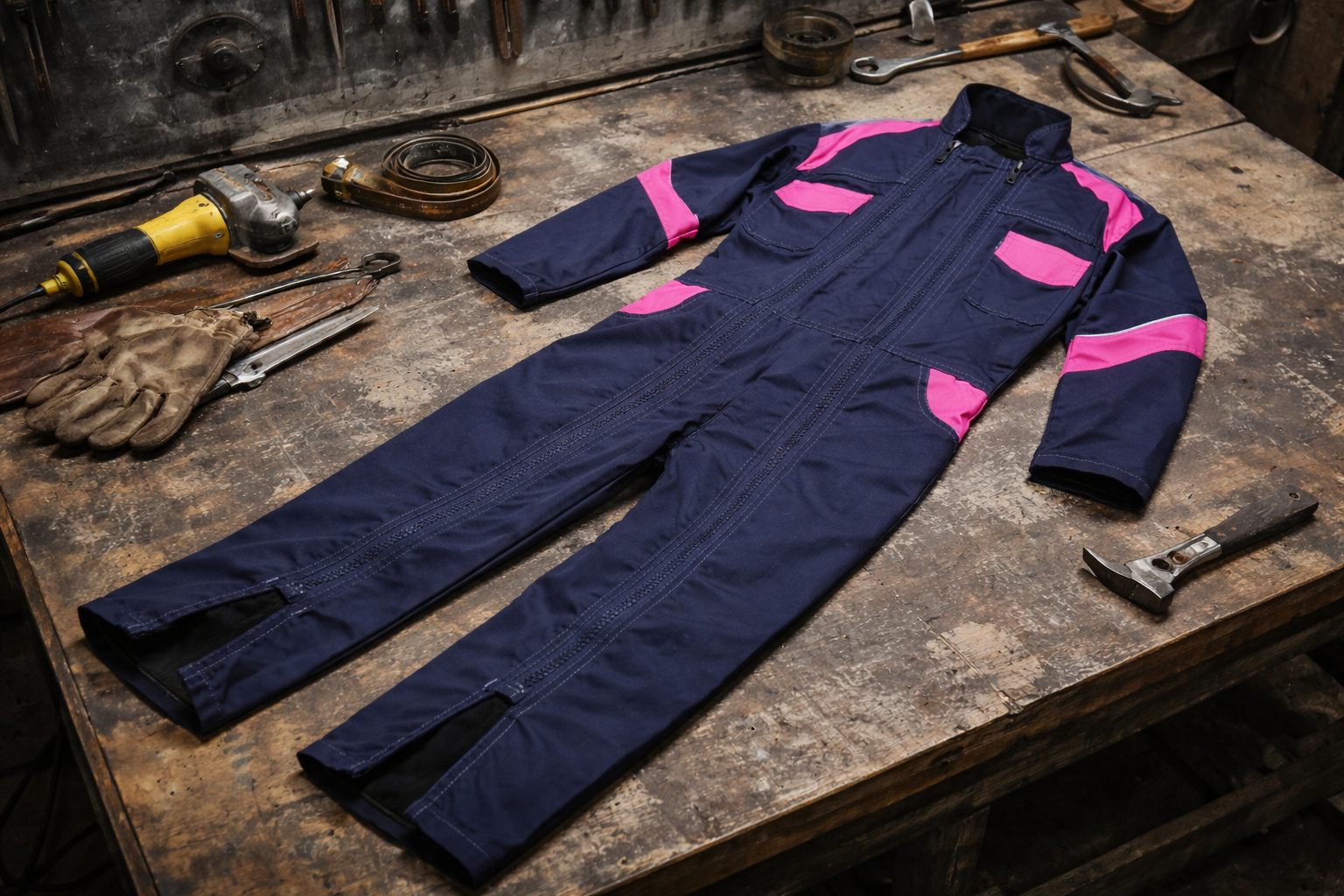
The risks of an ill-fitting blue
Contrary to popular belief, “choosing one size up so the child can grow into it” increases the risk of snagging. A sleeve that is too long may get caught in a door or rub against a piece of furniture, causing loss of balance or a fall.
On the other hand, a garment that compresses the chest restricts breathing during physical effort, leading to early fatigue and reduced concentration.
What the safety standards say
The NF EN 340 standard defines the requirements for protective workwear. It sets criteria for durability, material safety and clear labelling. Frankly, for children’s work overalls, four main sizes support growth: 38/M (chest circumference 92-98 cm).
40/L (98-104 cm), 42/XL (104-110 cm) and 1/M (96-104 cm with a height of 170-177 cm). These measurements provide suitable protection during career-awareness activities.
How to measure your child correctly
Choosing the right size helps prevent accidents. Overalls that are too large may catch on tools, while a model that is too tight restricts emergency movements.
Our professional customers know this well: accurate measuring is part of the safety protocol. Yet many still rely only on the age shown on the label.
A classic mistake that leads to costly returns and, above all, poor comfort in real working conditions.
Comparison table of the 4 available sizes
Children’s work overalls: 4 sizes and uses are available according to these standard measurements. Every centimetre matters to ensure mobility and protection.
| Size | Chest circumference (cm) | Waist circumference (cm) | Length (cm) | Age range |
|---|---|---|---|---|
| 38/M | 92-98 | 74-80 | 100-106 | 10-12 years |
| 40/L | 98-104 | 80-86 | 106-112 | 12-14 years |
| 42/XL | 104-110 | 86-92 | 112-118 | 14-16 years |
| 1/M | 96-104 | 84-92 | 170-177 | Adjusted adult fit |
How to take measurements in 3 steps
Take a soft measuring tape while the child is standing upright, with arms relaxed at their sides. For the chest measurement, pass the tape under the arms at the fullest part without pulling it tight.
For the waist measurement, place the tape at the natural waist, about two fingers above the navel. For the length, measure from the base of the neck down to the ground while wearing flat shoes.
Frankly, write down these three measurements before checking our size chart. If your child falls between two sizes, choose the larger one for intensive activities such as farm placements or participatory work sites. Mobility remains more important than a tight fit, according to NF EN 340 recommendations for workwear.
When to choose each option for your child: new or second-hand
The choice between new and second-hand depends above all on the frequency of use and the intended activity. For one-off use, children’s work overalls in second-hand condition may be enough for farm work or family DIY activities. Investing in new clothing becomes more sensible for weekly workshops or educational sites.
The stitching withstands repeated washing better, the zips keep their original smoothness and the fabrics retain their properties longer, including breathability and abrasion resistance. For a one-time introduction or a single event such as a careers fair visit, second-hand can remain a relevant option.
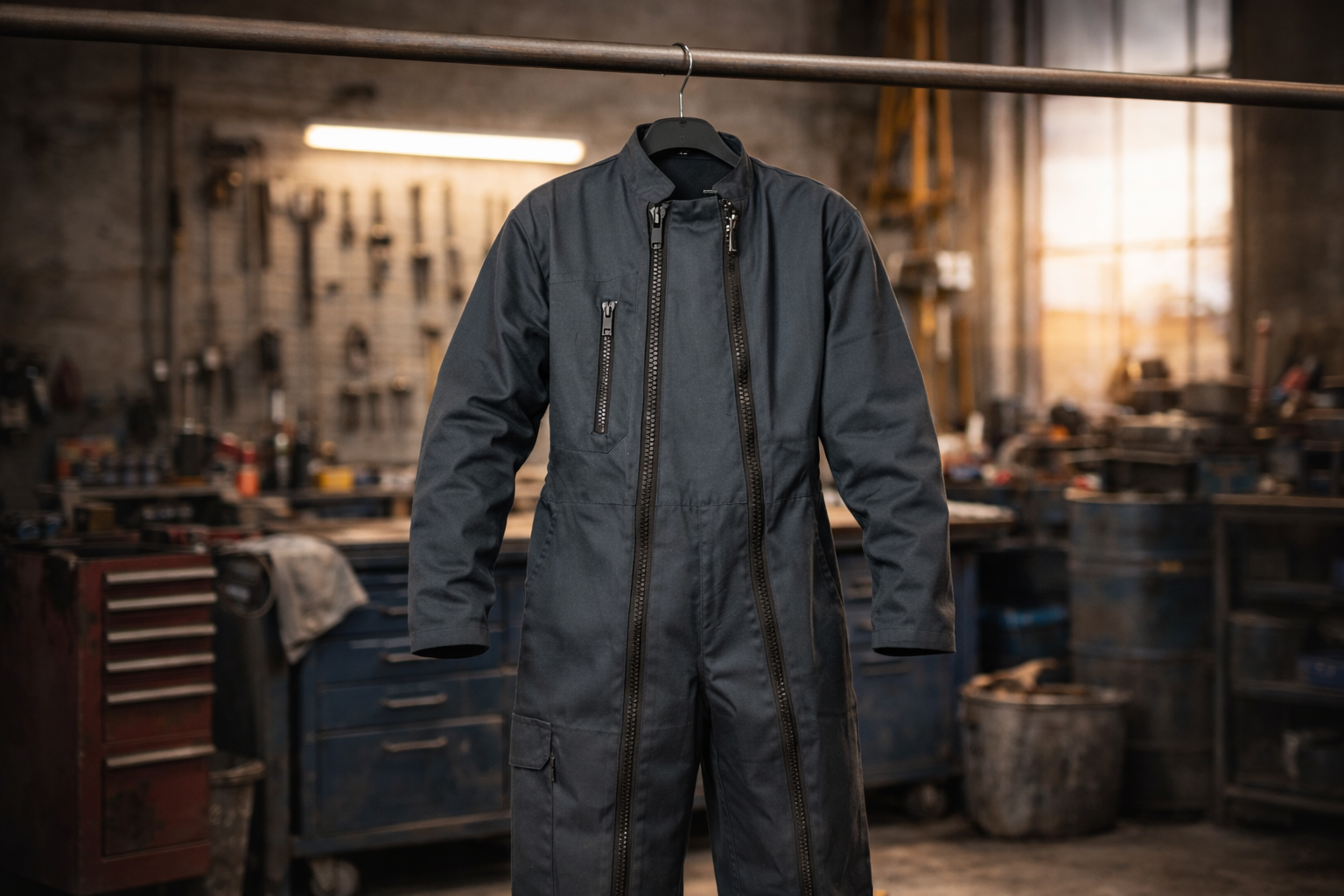
Cotton vs polycotton: the truth about performance
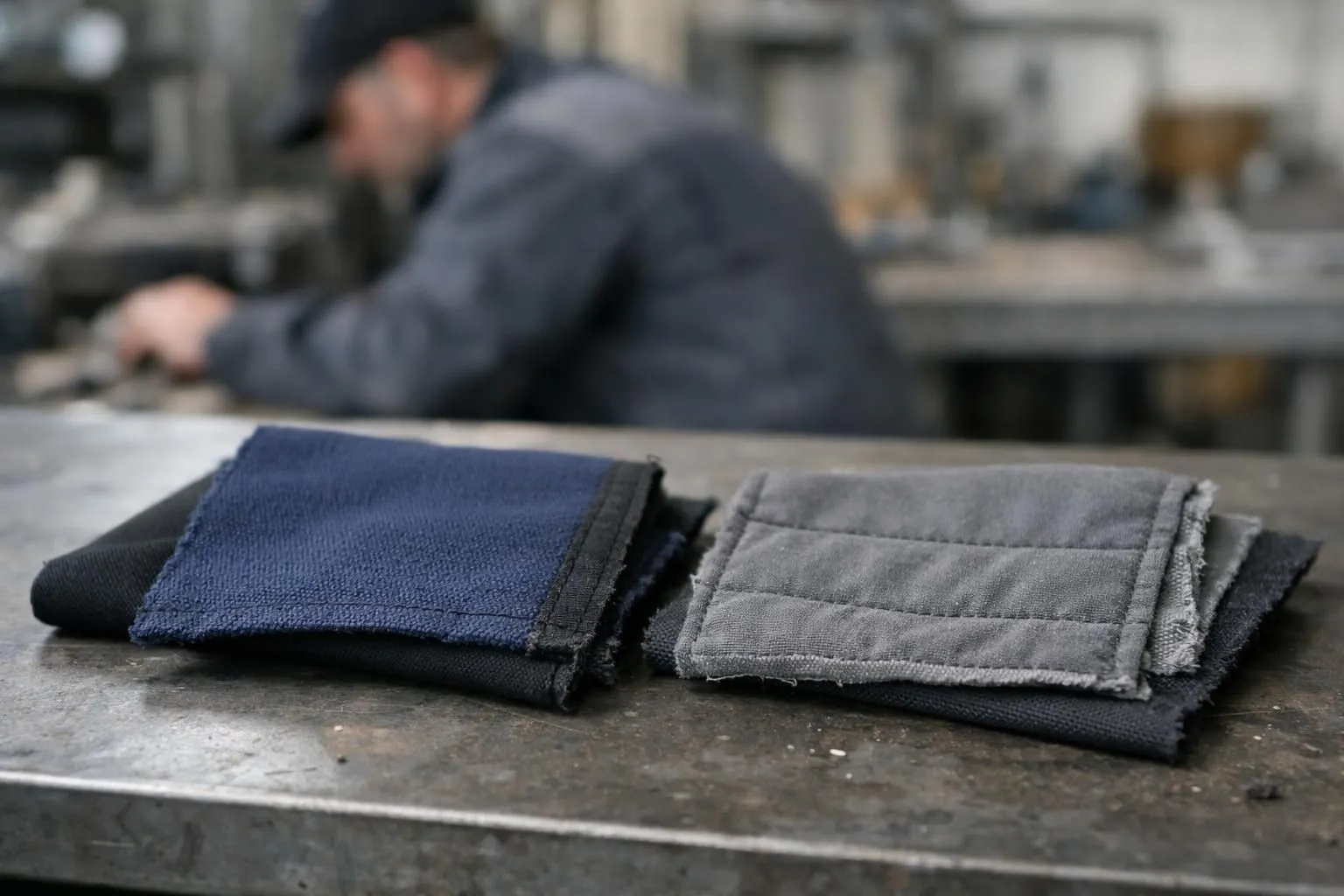
Sellers highlight the crease-resistant treatments used on polycotton, but rarely mention their effect on breathability. These chemical finishes create a microscopic barrier that reduces sweat evaporation by 15 to 20%.
In hot environments or during prolonged physical effort, this difference is noticeable. Frankly, raw cotton breathes better, but it creases more easily and often requires ironing.
For garments intended for children during special occasions or educational workshops, this choice of fabric directly affects comfort over several hours of activity.
The quality trade-offs no one explains
Lifespan varies considerably depending on use. A cotton garment washed every week keeps its mechanical properties for 18 to 24 months.
Polycotton, which is more resistant to repeated washing cycles, can last up to 30 months under the same conditions. But be careful: manufacturers optimise costs by adjusting fibre proportions, generally 65% polyester / 35% cotton as the standard blend.
These ratios are almost never clearly shown in online product descriptions, even though they directly determine abrasion resistance and colour retention.
7 real-life occasions to use children’s work overalls in 2026
When should a child wear work overalls? It is a question many parents ask when looking for suitable protection without falling into gimmicks.
We have identified seven situations where this garment has real value, along with the right material specifications for each use.
Educational and professional occasions
Careers fairs and company visits are a first practical use case. You should choose a well-fitted size for a half-day at most. Confusion between age and size disappears once chest measurements are used.
Frankly, discovery workshops in lower secondary school require at least 260 g/m² twill cotton. This matters especially for woodworking or metalworking. Maisons Familiales Rurales often require standard-compliant equipment from the age of 14.
Family and creative uses
Farm work, the family garage or a small home worksite: overalls provide good protection against mechanical dirt and grime. For messy creative projects such as wall painting or clay sculpture, frankly, an affordable model is more than enough instead of an expensive technical fabric.
Historical re-enactments require an authentic cut, often incompatible with current safety standards.
Frequently asked questions about children’s work overalls
Parents take their time before buying, which is understandable.
Some questions come up regularly in our discussions with artisan families and the people running educational workshops.
Questions about choice and sizing
From what age can a child wear work overalls?
At Oxwork, the children’s range starts from 2 years old and can go up to 16 years old depending on the model. This makes it possible to equip both younger children and teenagers with workwear, kitchen clothing or protective garments suited to their body shape.
Should you choose one size up to allow for growth?
No.
Choosing a garment that is too big is not a good option. Clothing that is too loose can restrict movement, reduce comfort and increase the risk of snagging on a workbench, a tool or equipment. For safer and more practical use, it is better to choose a well-fitted size and replace the garment when needed.
How do you choose the right size?
The most reliable method is to check the child’s measurements, especially chest circumference and waist circumference, then compare them with the guide provided on the product page. The age shown is only an indication, since body shape can vary from one child to another.
Good to know
At Oxwork, not every children’s product covers the full size range from 2 years to 16 years. It is therefore advisable to check availability and the related size guide directly on the product page.
Questions about care and safety
You maximise garment lifespan by washing at 40°C maximum and air drying naturally to preserve reinforced stitching.
Second-hand overalls only meet standards if the NF EN 340 label remains legible and the fabric is still intact.
Frankly, our experience shows that a garment that has been washed more than 50 times loses part of its protective properties.
Oxwork advises measuring your child while standing, with arms by their sides, then comparing the figures with our size chart. Between two sizes, always choose the smaller one to ensure the best safety.
The 3 essential criteria to remember
-
Size suited to the child’s actual body shape, not just age
-
Garment condition consistent with the working environment
-
Valid PPE certification clearly visible on the label
Oxwork, your trusted PPE partner
We offer a complete range of certified overalls for young professionals. Our advisory team helps you choose the option best suited to your sector of activity.
Frankly, browse our specialist catalogue or contact our customer service team to benefit from personalised guidance tailored to your needs.
Equipping your children safely with the right sizes
Choosing suitable children’s work overalls helps protect them during manual activities or family events. The four available sizes meet specific needs depending on each child’s age and body shape.
Take measurements with a soft measuring tape to find the right size. Check that the seams hold up well during movement and that the fabrics comply with current safety standards.
Frankly, Oxwork offers a complete range of children’s work overalls that meet professional standards in the sector. Each model has been tested to withstand real working conditions and intensive use.
Our advisors help you select the exact size according to the intended use. Each pair of overalls offers mobility and lasting protection for your children in everyday situations.
Protect your children with equipment that truly delivers on its promises.