DE
DE  FR
FR  IT
IT 
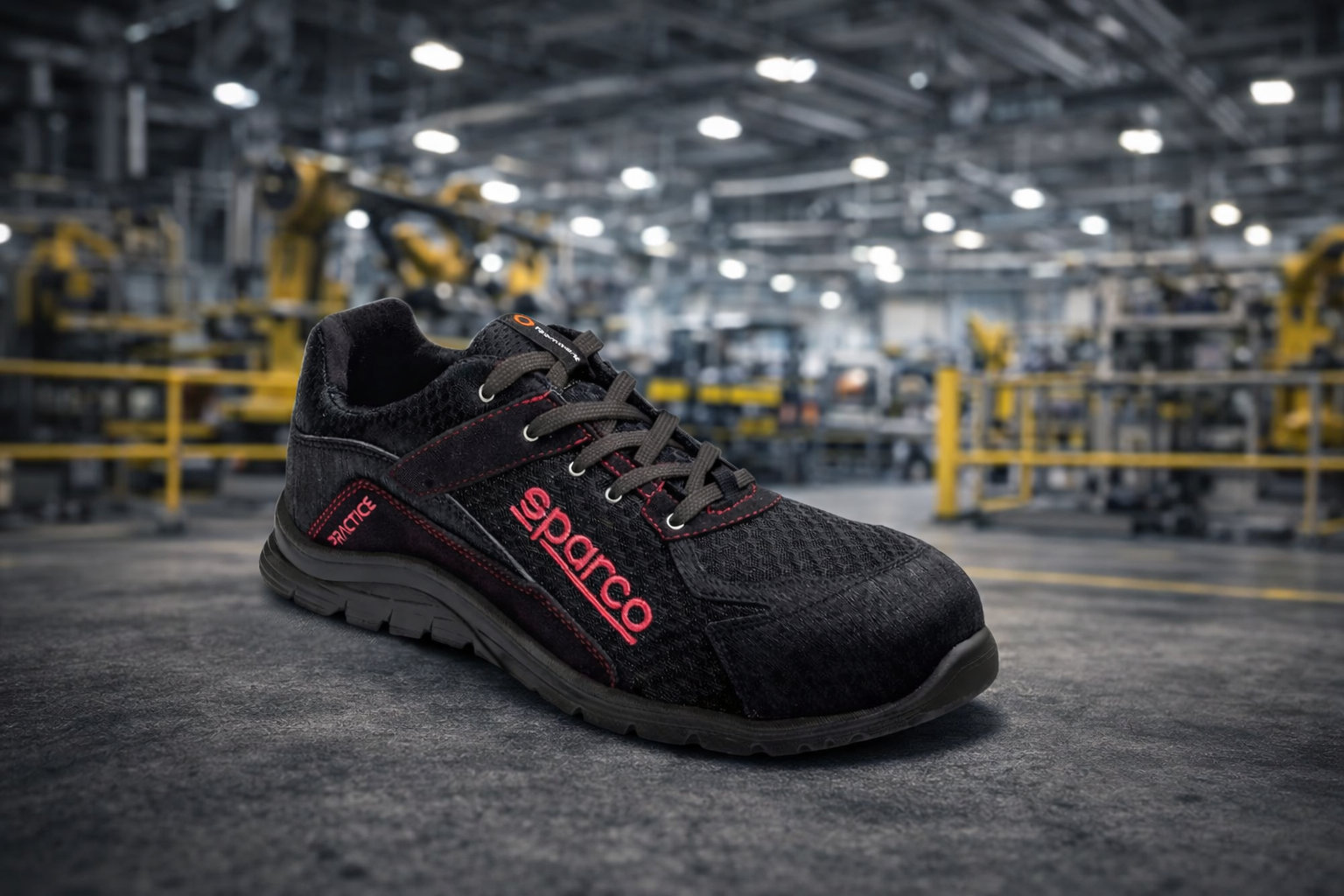
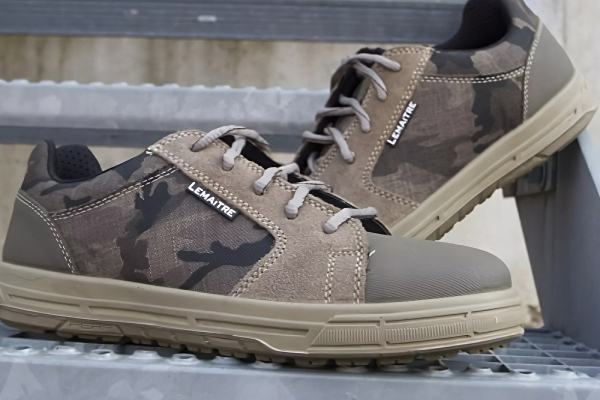
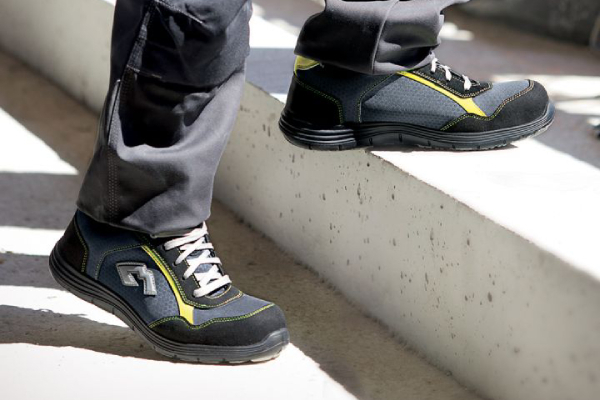
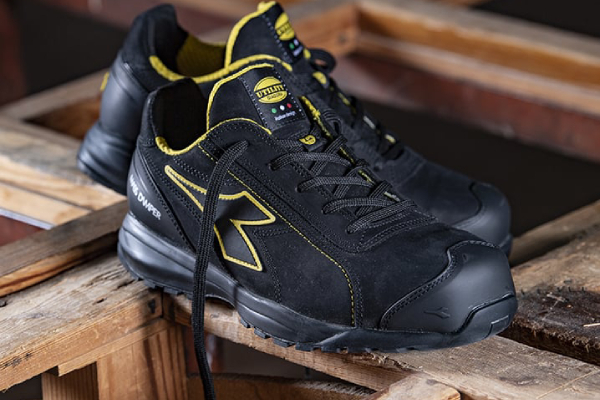
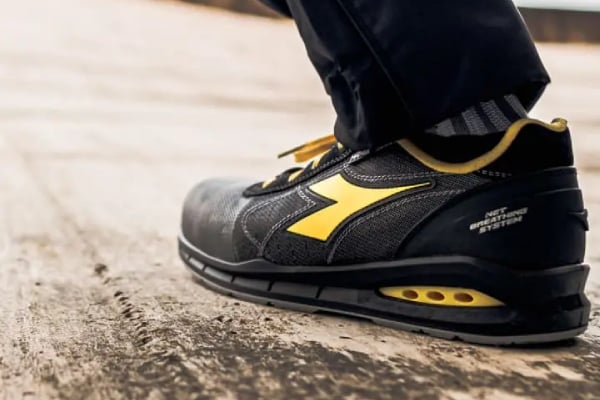
Sparco safety sneakers combine S1P/S3 certified protection with urban lightweight design, adopted by professionals in construction, logistics and industry for long-lasting comfort.
-
EN ISO 20345 compliant with composite toe cap and textile anti-perforation midsole
-
Up to 30% lighter than traditional safety shoes thanks to racing-inspired materials
-
Proven durability on demanding terrain with Vibram soles or equivalent
Why are so many site managers ditching their heavy work boots for Sparco sneakers? The answer comes down to three words: protection, mobility, endurance.
On construction sites or in warehouses, your feet endure stress that few shoes can truly handle. Sparco safety sneakers solve this complex equation: they meet EN ISO 20345 standards while delivering the dynamism of a technical sneaker (inherited from motorsport DNA).
Unlike entry-level models that cause fatigue after four hours, these sneakers integrate technologies derived from automotive competition. The result: your teams stay productive, even during twelve-hour shifts.
Coming up: a breakdown of mandatory certifications, a comparison of five key Sparco technologies, a job-based selection guide, and what traditional distributors often fail to mention. You’ll know exactly which model fits your sector—without paying for unnecessary features.
What exactly is a Sparco safety sneaker?
A Sparco safety sneaker goes far beyond a standard protective shoe. It comes from the demanding world of auto racing and brings Sparco’s performance DNA—long known for professional driver equipment—onto job sites.
Unlike traditional industrial models, these sneakers combine sports technology with strict safety standards. You benefit from a steel or composite toe cap, a puncture-resistant midsole, and maximum grip.
This equipment protects without sacrificing agility, designed for those who refuse to compromise between safety and everyday mobility.
EN ISO 20345 Certifications Explained
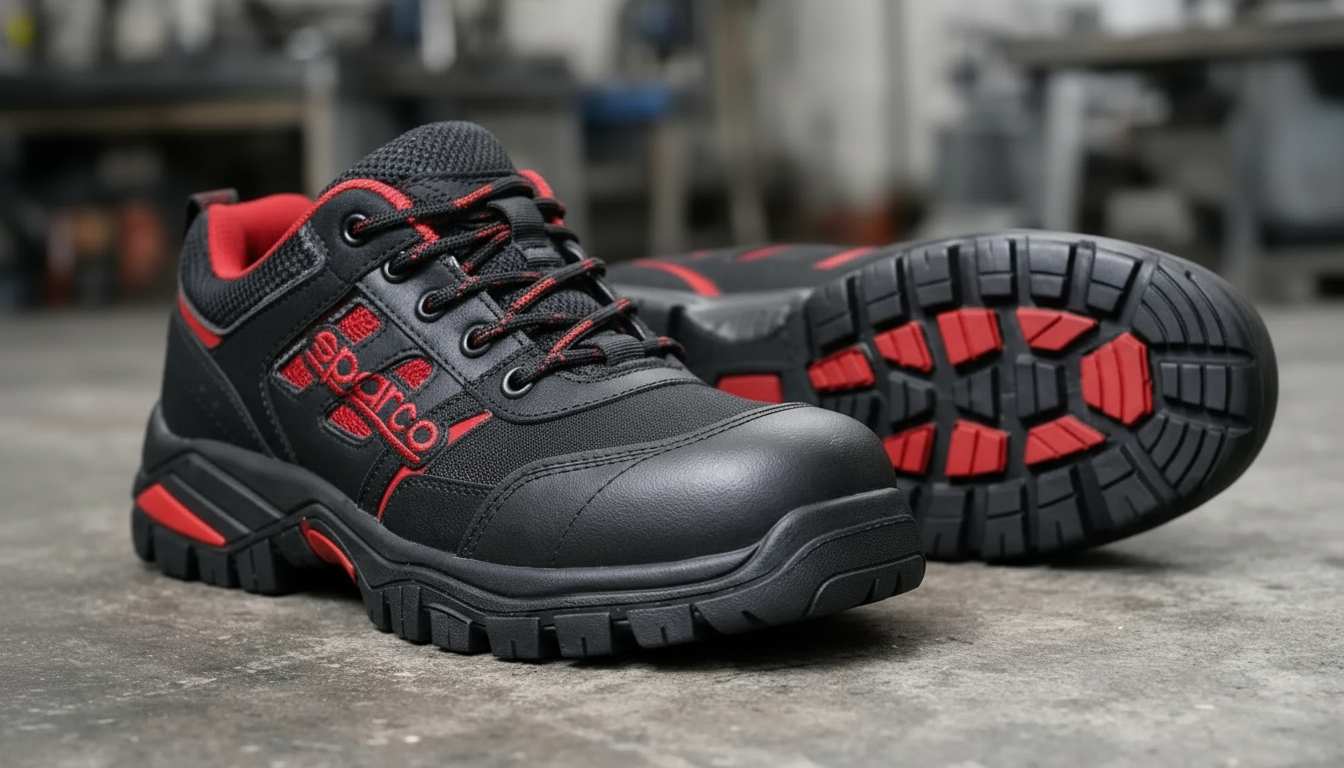
S1P, S3, and SRC standards define the level of protection under European regulations. Each marking guarantees specific protections tailored to field risks.
| Standard | Protection Included | Recommended Use |
|---|---|---|
| S1P | 200J toe cap + puncture-resistant midsole | Warehouses, dry workshops |
| S3 | S1P + waterproofing + cleated outsole | Outdoor worksites, wet areas |
| SRC | Slip resistance on tile and steel | All slippery environments |
Oxwork systematically recommends at least SRC certification, as slips account for 25% of workplace accidents according to industry statistics.
Why Sparco safety sneakers Change the Game in Professional Environments
Traditional safety shoes weigh between 800 and 1200 grams. After eight hours of walking, lifting, and climbing, your legs feel the strain.
Sparco safety sneakers completely shift this equation: 400 to 600 grams for equivalent protection. This difference radically transforms daily work conditions for field teams.
Less weight means reduced muscle tension, less joint inflammation, and fewer sick leaves related to musculoskeletal disorders.
Lightweight and Comfort: The End of End-of-Shift Fatigue
Across our teams, we observe a recurring pattern in companies. Operators who used to reject safety shoes adopt these models without hesitation.
The sporty design completely removes the stigma associated with traditional protective equipment. Sparco sneakers feature ergonomic insoles made with breathable materials that allow the foot to stay ventilated.
Less sweating, less friction, fewer blisters in daily operations. Productivity increases when feet remain comfortable until the end of the day.
An order picker walks around 15 kilometers per day in a warehouse. Heavy shoes require 30% more energy with every step.
That extra load equals an additional full day of walking over the course of a week. Sparco safety sneakers eliminate this unnecessary energy waste for your workforce.
Direct result: less accumulated fatigue, better concentration, and fewer accidents at the end of the shift.
Less fatigue, better focus, fewer end-of-shift accidents.
30% Better Grip on Slippery Surfaces Thanks to SRC Traction
SRC certification (Slip Resistance Ceramic) validates grip on wet ceramic tiles and oily floors. Sparco sneakers go far beyond this minimum standard. Their sculpted nitrile rubber outsole grips smooth surfaces with real efficiency.
In professional kitchens, cold storage warehouses, or mechanical workshops, this performance reduces falls that cost an average of €15,000 per accident.
The 5 Sparco Technologies That Truly Protect Your Teams
When it comes to safety footwear, everyone mentions S1P or S3 standards. But few professionals really know what lies beneath the structure of a quality Sparco safety sneaker.
Integrated technologies make the difference between a manageable workday and sore, exhausted feet after eight hours standing.
Dual-Density EVA/PU Soles and Waterproof DRS Membrane
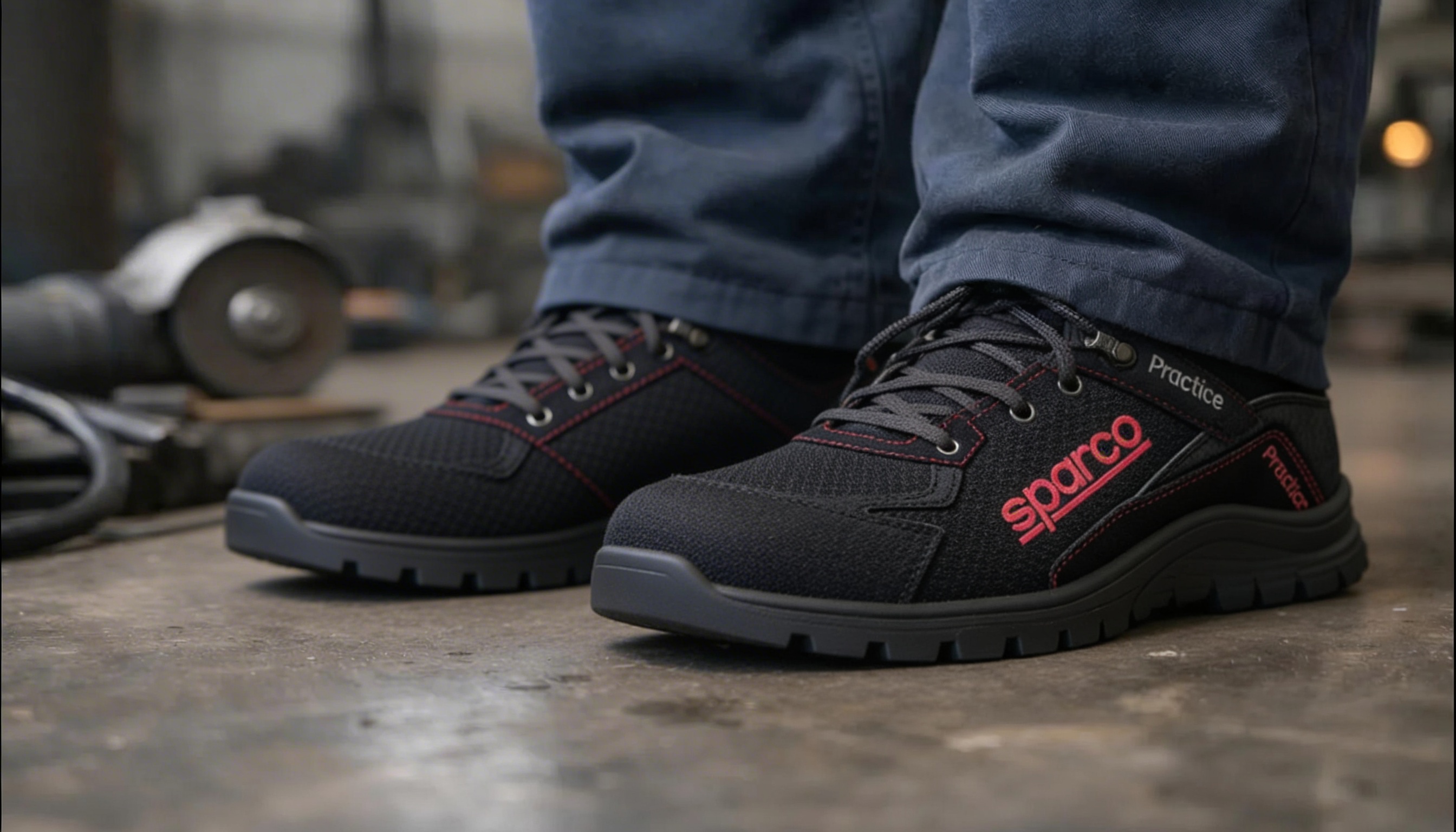
The dual-density sole combines two materials that perfectly complement each other to optimize comfort. EVA provides surface cushioning, while polyurethane ensures resistance to wear.
You absorb repeated impacts more effectively during constant movement while maintaining reliable grip.
This construction performs even on greasy or wet floors without compromising stability. The DRS membrane adds a waterproof barrier without blocking moisture evaporation.
You avoid the “plastic shoe” effect of older sealed footwear that trapped humidity.
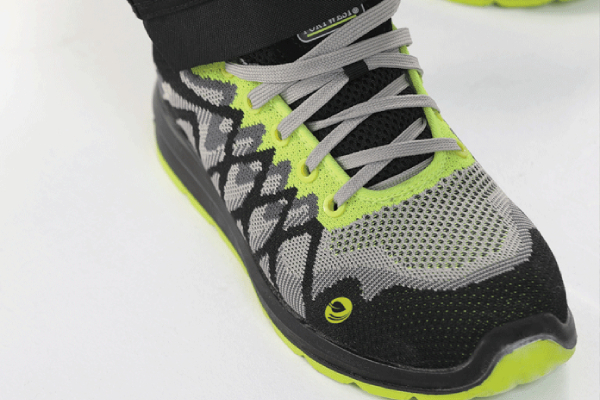
3D breathable fabrics create ventilation channels directly integrated into the shoe’s structure. This combination significantly reduces moisture buildup, even during peak activity in confined environments.
Protective Toe Cap and FO/HRO Resistance for Mechanics
The composite or aluminum toe cap protects against impacts up to 200 joules (EN ISO 20345 standard), enough to withstand the drop of a heavy tool or metal part.
Two certifications deserve attention for jobs exposed to heat:
-
HRO (Heat Resistant Outsole): outsole resistant to contact heat up to 300°C for 60 seconds
-
FO (Fuel Oil Resistant): resistance to hydrocarbons, fuels, and industrial oils without material degradation
Quick fastenings such as BOA or hook-and-loop systems replace traditional laces, eliminating the risk of snagging in rotating machinery. A detail that can prevent a serious accident in mechanical workshops.
Oxwork advice: check that your Sparco safety sneakers display HRO and FO markings on the label if your teams handle hot parts or work near engines. These certifications are not automatic on all models.
How to Choose Your Sparco Safety Sneaker Model Based on Your Job
Your professional environment directly determines the model to choose for your teams. A garage mechanic does not have the same needs as a warehouse order picker.
We recommend analyzing field constraints first before looking at price. An unsuitable certification can lead to avoidable accidents and complex compliance issues.
The table below simplifies the selection according to your job and operational constraints.

Dry (S1P) or Wet (S3) Environments: The Decisive Factor
Do you work indoors in climate-controlled spaces or outdoors in the rain? The S1P standard covers dry environments (warehouses, enclosed workshops).
Contrary to popular belief, it does NOT protect against water: exposure to wet areas can degrade the upper within weeks. S3 adds full waterproofing and a cleated outsole for slippery terrain.
Our experience shows that many buyers underestimate this point at the time of purchase.
One last factor: check ground temperature. Environments with thermal risks require HRO certification (heat contact resistance up to 300°C).
Consult the INRS website to align your legal obligations with technical specifications. The right model protects without slowing productivity.
What Other PPE Sellers Don’t Tell You About Sparco Safety Sneakers
Product sheets always display the same promises: compliance, comfort, durability. But there is a gap between the catalog and the job site.
At Oxwork, we regularly observe differences between marketing claims and what customers actually experience daily. Let’s be clear.
The Truth About Real Lifespan in Intensive Use
An S1P-certified Sparco safety sneaker lasts between 12 and 18 months in a clean workshop. In quarry or demolition work, expect closer to 6 to 9 months.
The puncture-resistant midsole holds up well, but the textile upper can deteriorate quickly with concrete splashes. Repeated exposure to hydrocarbons and friction on abrasive materials accelerates wear.
You should inspect seams and toe caps monthly, as an invisible crack can eliminate protection entirely.
Proper tightening can extend lifespan by 20 to 30% based on our experience. A poorly fitted shoe creates internal friction that prematurely wears materials.
The foot starts to slide, the toe cap deforms, and the sole gradually peels away.
Why Some Models Are Rejected on Certain Job Sites
S1P certification does not protect against all hazards. In very humid environments or areas with constant water exposure, the lack of full waterproofing (at least S3) may justify rejection by the safety coordinator.
Some maritime or underground sites even require S5 certification. Always check the INRS regulations for your sector before placing an order.
FAQ – Frequently Asked Questions
What is the difference between S1P and S3 certification for Sparco safety sneakers?
S1P protects against punctures and is suited for dry environments such as workshops or warehouses. S3 adds water resistance thanks to its cleated outsole, making it ideal for wet areas or outdoor job sites.
For indoor work on dry surfaces, choose S1P. Opt for S3 if your activity involves exposure to water splashes, wet floors, or outdoor construction sites.
How long do Sparco safety sneakers last with daily use?
On average, between 12 and 18 months for intensive daily wear, sometimes up to 24 months with proper maintenance. Lifespan depends on your work environment and the chosen model.
PU soles are more resistant to wear than standard rubber. If possible, rotate with a second pair to extend overall durability.
Signs it’s time to replace them: smooth outsole, visible toe cap through the upper, unusual discomfort. Don’t wait once these signs appear—your safety depends on it.
Are Sparco safety sneakers suitable for construction and outdoor job sites?
Yes, but you must choose S3-certified models with slip-resistant soles and water resistance. S1P versions are not suitable for outdoor sites exposed to weather conditions.
For uneven terrain, higher-cut models provide better ankle protection. Make sure drainage eyelets are present if you frequently work in mud or standing water.
Can you wear Sparco safety sneakers all day without foot pain?
Absolutely. That’s one of their main advantages over traditional safety shoes. Racing-inspired technologies from motorsport ensure remarkable comfort over 8 to 10-hour shifts.
The EVA sole absorbs shocks, while the breathable upper reduces perspiration. Consider going half a size up to accommodate thicker work socks.
The first few hours may feel slightly stiff, which is normal with new shoes. After 2–3 days of wear, comfort becomes optimal and the lightweight feel stands out compared to traditional models.
How should you properly maintain your Sparco safety sneakers?
Brush them after each workday to remove dust and debris before it builds up. Avoid machine washing, which damages stitching and technical materials.
For stubborn stains, use a damp cloth with mild soap and let them air dry away from radiators. Direct heat can deform soles and weaken adhesives.
Apply waterproofing spray every 2–3 months using a product suitable for technical footwear. This extends lifespan and maintains the breathable properties of the mesh.
Are Sparco sneakers compliant with French company QHSE requirements?
All models comply with European EN ISO 20345 standards, which are mandatory in France. S1P and S3 certifications meet the requirements of QHSE managers in most industrial sectors.
Keep the technical data sheet provided with your shoes. Some companies request these documents for internal audits—we systematically provide them with every professional order.
Your Next Sparco Safety Sneaker: 3 Criteria to Validate Before Buying
You must verify three main criteria before purchasing. The certification must match your sector (S3 or S1P) depending on specific risks.
Protective technologies such as the puncture-resistant midsole and composite toe cap must align with your field requirements. Comfort remains essential for prolonged daily use.
Systematically check EN ISO 20345 compliance on each selected model. Always try the shoes with your usual work socks to validate the fit.
The Oxwork team analyzes your specific constraints and guides you toward certified models that fit your needs. Browse our Sparco selection or contact our PPE experts directly for personalized support.
Your feet deserve better than compromise.