
 DE
DE  FR
FR  IT
IT 
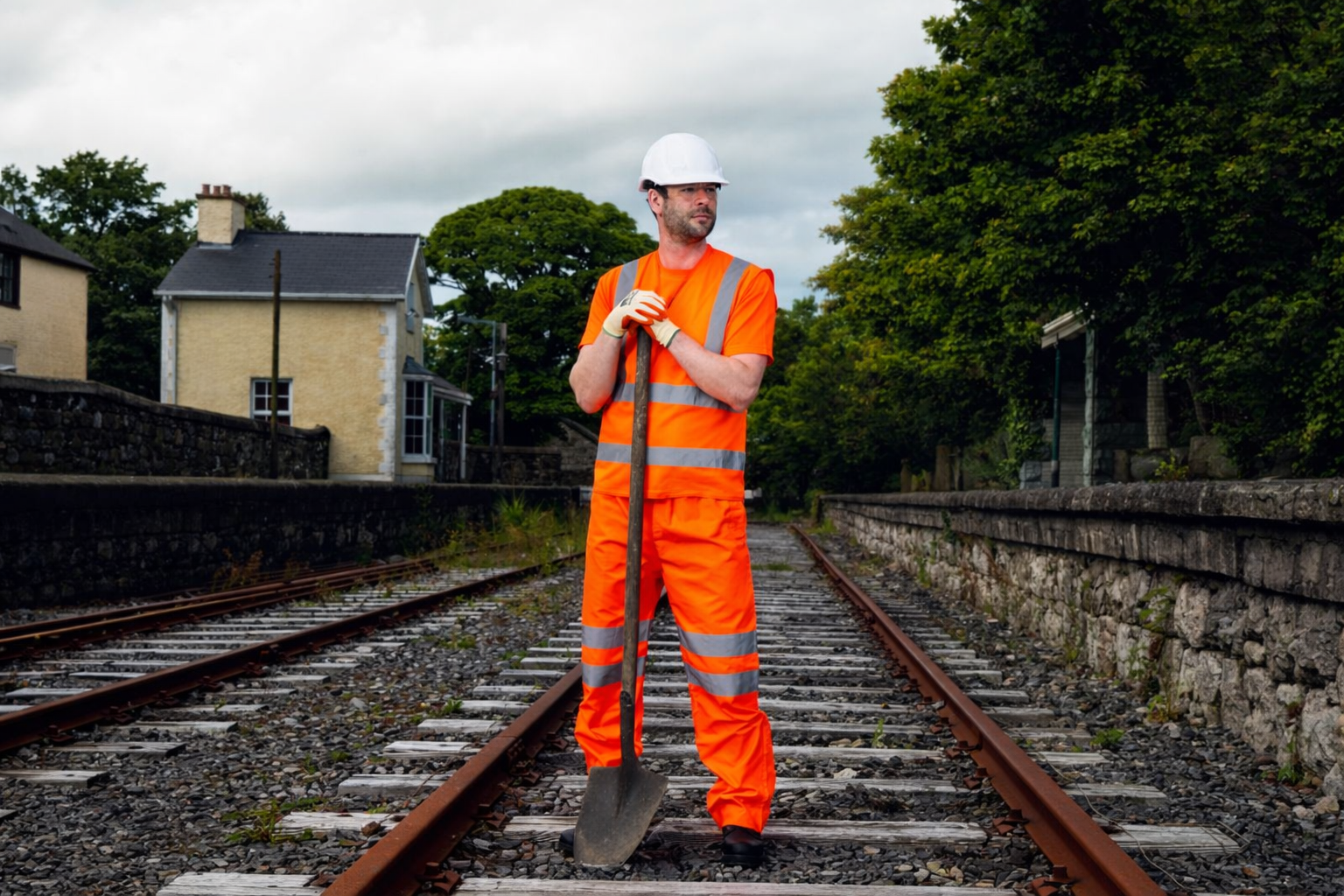
Choosing the right safety vest for your teams with OxworkThe safety vest is personal protective equipment (PPE) designed to make the wearer visible in high-risk environments, in compliance with EN ISO 20471, which defines 3 classes according to the surface area of retroreflective material.
-
Choosing the class suited to your activity guarantees protection that complies with legal requirements
-
Regularly checking the condition of the retroreflective bands preserves the vest’s effectiveness
-
Investing in certified equipment reduces the risk of accidents in exposed work areas
Do you think a safety vest is just an orange hi-vis jacket hanging in the trunk? Wrong.
On a construction site, by the roadside, or in a logistics warehouse, this PPE can make the difference between getting home safely and a serious accident. Construction professionals, road workers, and QHSE managers know this well: visibility is not negotiable when vehicles are operating nearby.
Yet many ignore the regulatory subtleties, and that is a real legal problem. Class 1, 2, or 3 according to EN ISO 20471, retroreflective materials, legal obligations by trade: these are all criteria that determine whether your equipment truly protects your teams.
On the agenda: the basics of the safety vest, an analysis of the 3 regulatory classes, and the principle of high visibility. The legal obligations depending on your sector, answers to practical questions, and our advice for equipping your teams at Oxwork. Frankly, the goal is to give you the elements you need to select the right equipment for your specific field requirements.
What is a safety vest and why is it essential?
A preventable accident happens when a worker remains invisible on a worksite. The safety vest addresses this risk with a direct solution. It turns each person into a bright point that can be detected from a distance.
Frankly, this personal protective equipment for signaling uses fluorescent and retroreflective materials that capture ambient or artificial light. These materials then send a powerful visual signal back toward the observer. Unlike an ordinary vest, a certified model complies with strict requirements.
The reflective surface area and the certified color, yellow or fluorescent orange, must be compliant.
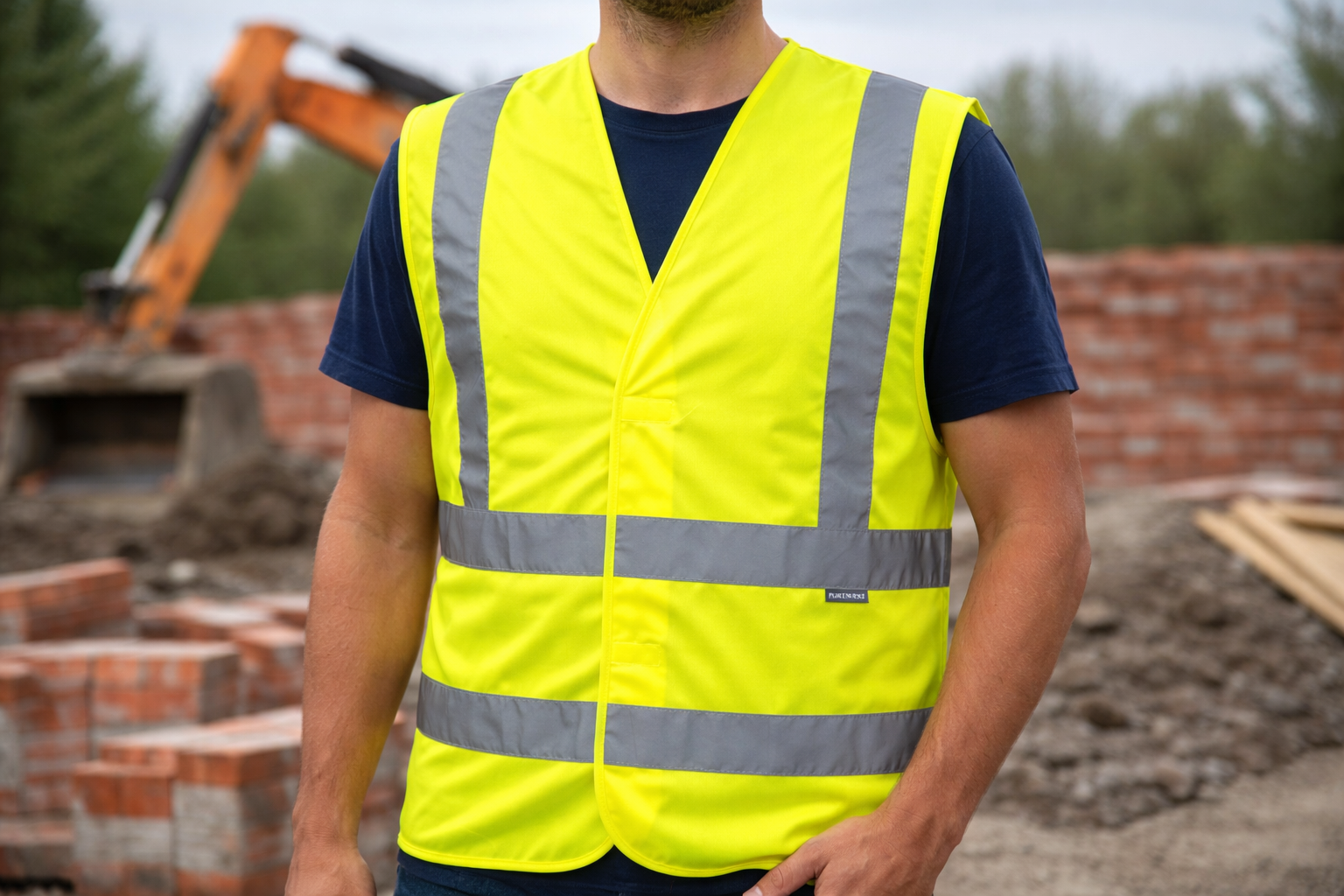
Essential personal protective equipment
The law requires employers to provide certified PPE as soon as the environment presents hazards for staff. This obligation applies to construction sites, logistics areas, roads, and industrial sites where vehicle traffic creates ongoing risks.
Frankly, choosing a vest that complies with ISO 20471 standards protects the company legally while also guaranteeing real safety for teams. Many professionals underestimate this distinction between a basic accessory and approved PPE.
Visibility as the first line of defense
Being seen helps prevent impact. Retroreflective bands work even in total darkness by reflecting headlight beams from up to 150 meters away. This greatly improves accident prevention.
Frankly, a vehicle operator can immediately spot a human presence before any danger arises. No complex technology is needed. Optical physics is enough to save lives every day in high-risk environments.
The 3 classes of safety vest under EN ISO 20471
Not all high-visibility vests are equal. The European standard EN ISO 20471:2013/A1:2016 requires classification into three distinct categories.
Each one is defined by minimum surface areas of fluorescent materials and retroreflective bands. This hierarchy follows a simple principle: the more dangerous the environment, the higher the visible surface requirements.
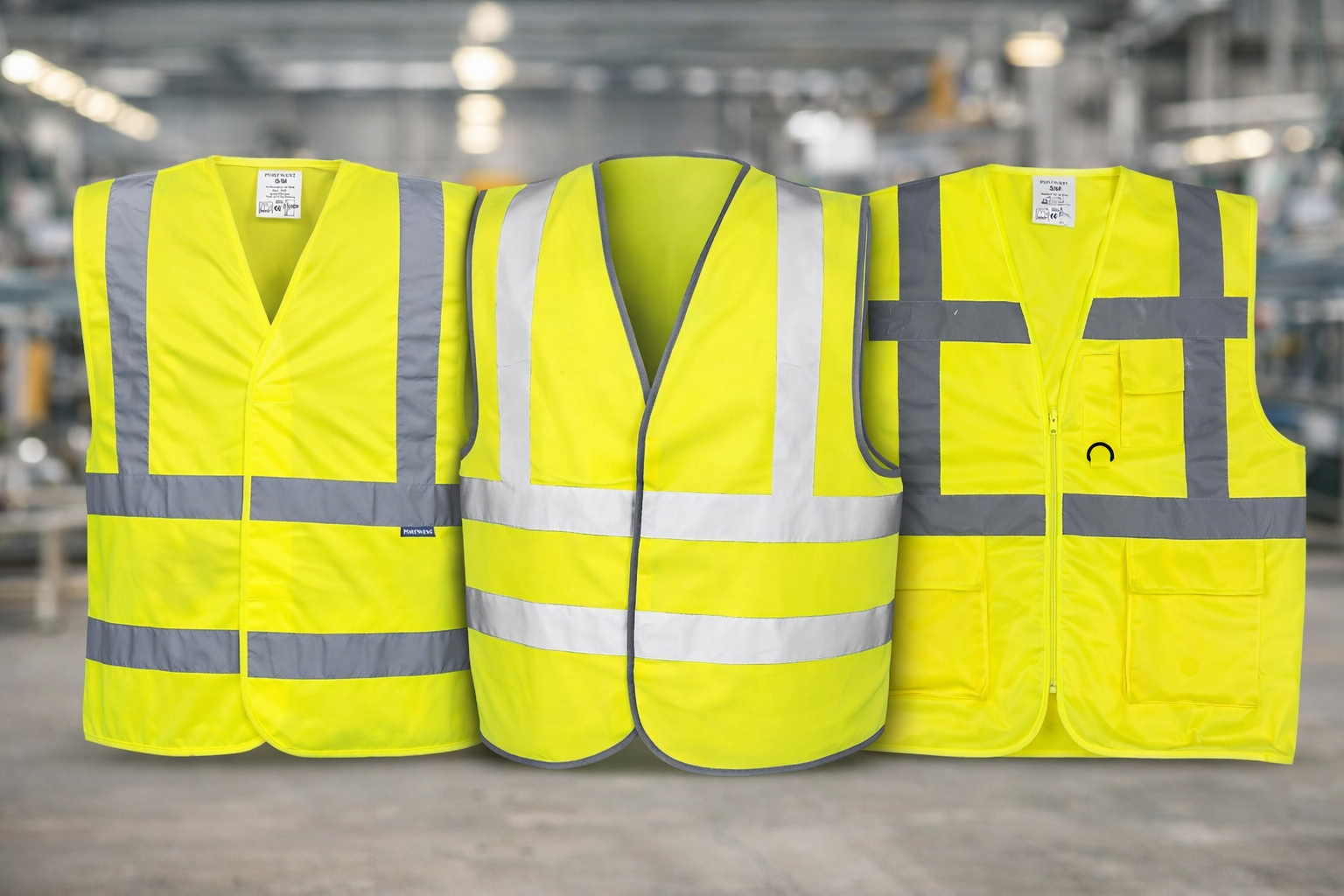
Frankly, you need to assess the real risk in the field, beyond habits or budget constraints. Class 1 is suitable only for areas where traffic does not exceed 30 km/h.
You can use it in combination with other personal protective equipment on closed worksites or in private warehouses. Its reduced surface areas are sufficient when vehicle speed remains moderate and natural visibility is adequate.
Understanding the minimum regulatory surface areas
Each class follows precise thresholds established by EN ISO 20471. These criteria ensure detection at a distance that is suited to the context of use.
-
Class 1: 0.14 m² of fluorescent material, 0.10 m² of retroreflective bands
-
Class 2: 0.50 m² of fluorescent material, 0.13 m² of retroreflective bands
-
Class 3: 0.80 m² of fluorescent material, 0.20 m² of retroreflective bands, with mandatory horizontal and vertical bands
Frankly, Class 2 is the standard for urban worksites and moderate-traffic areas. It offers a balance between mobility and protection in environments where vehicles travel at intermediate speeds.
Which class for which work environment?
Class 3 becomes necessary as soon as you go above 50 km/h or work at night. Highways, roadworks, and expressways require full 360-degree visibility. Frankly, a huge number of companies equip their teams with unsuitable vests, which exposes their workers to avoidable dangers.
A Class 3 safety vest ensures rapid detection even against the headlights of vehicles travelling at high speed. This protection becomes indispensable to guarantee the safety of your teams in the field.
How does the high visibility of a safety vest work?
A safety vest combines two technologies to ensure constant visibility. Fluorescent materials work effectively in daylight thanks to their bright color.
Frankly, the retroreflective bands then take over as soon as light levels drop. This double protection makes it possible to detect the wearer quickly, regardless of the current lighting or weather conditions.
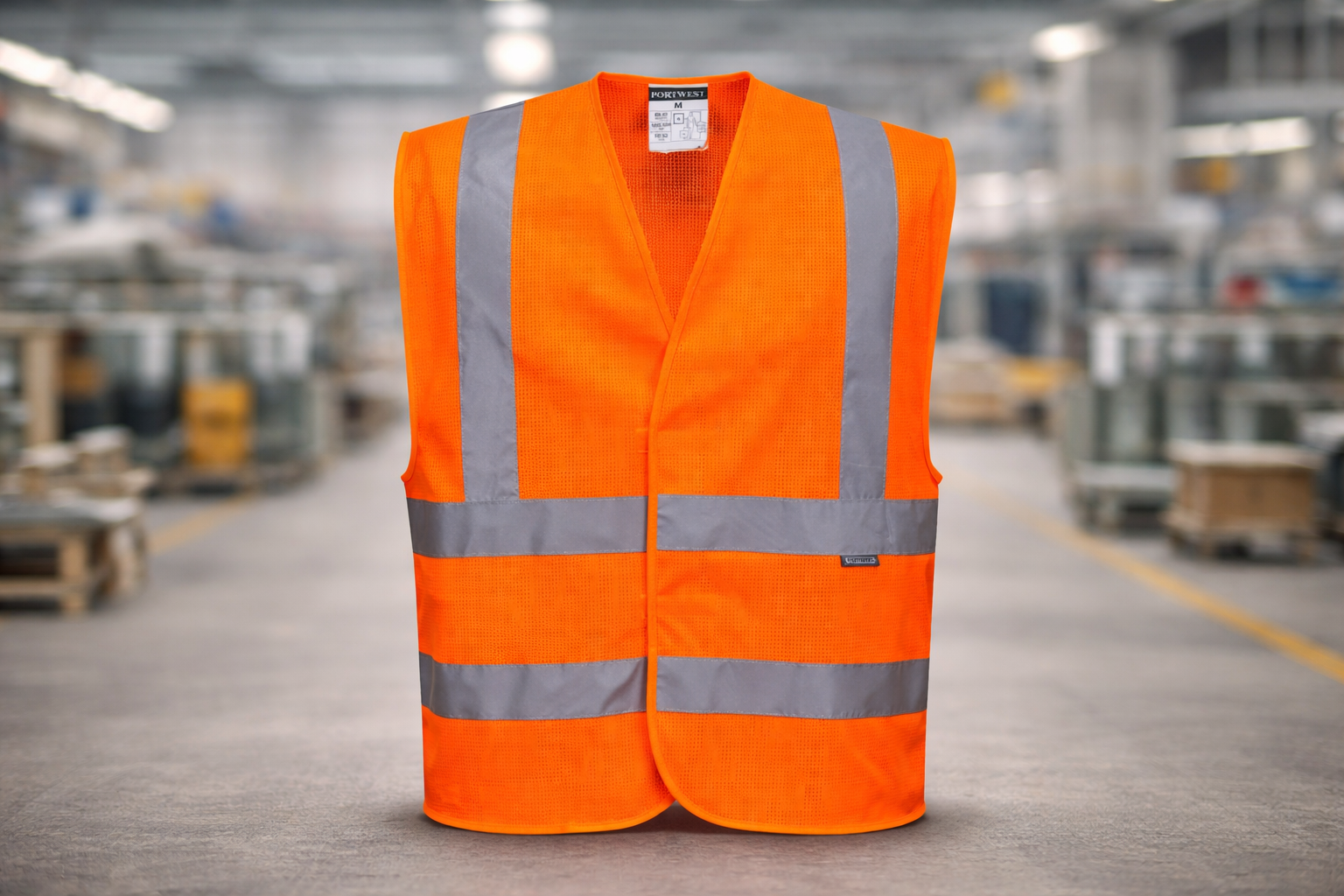
The science behind fluorescent materials
Fluorescent fabrics transform invisible ultraviolet rays into visible, bright light. This conversion increases the vest’s brightness far beyond standard colors.
Three shades comply with EN ISO 20471 requirements: yellow, orange, and red. Yellow is the standard choice for urban construction sites and roads.
Frankly, orange is better suited to forestry or railway environments. Red is used in certain specific industrial applications.
This technology only works during the day. When natural light fades, the fluorescent effect gradually weakens.
Retroreflective bands then take over to ensure nighttime visibility.
Why retroreflective bands save lives
Retroreflective bands send headlight beams directly back to their original source. Two technical systems coexist on the market: glass beads and microstructured prisms.
Prisms provide a wider reflection and withstand repeated washing better. Frankly, this technology allows detection up to 500 meters for a Class 3 vest, compared with 100 meters for a Class 1 vest.
Oxwork advice: check the condition of the retroreflective bands before every use. A dirty or worn vest can lose up to 60% of its reflective properties, even if the fluorescent fabric remains intact.
What PPE suppliers do not tell you about safety vests
Catalogs highlight price and certifications. But how many suppliers explain that initial compliance guarantees nothing over time?
Our field experience reveals realities that the industry prefers to keep quiet. A vest that is compliant on the day of purchase can become dangerous after only a few weeks of real use, exposing your teams without you realizing it.
False savings that end up costing a lot in safety
Buying an 8-euro vest may seem smart. Until the moment the retroreflective bands lose their effectiveness after twenty-five washes, while professional models last at least one hundred cycles.
Low-end fluorescent materials turn into a dirty beige after a few months of sun exposure because they lack proper UV treatment. Worse still, many employers choose Class 1 to save forty euros per employee, even though their working conditions actually require Class 2 or 3 under European regulations.
An uncomfortable vest ends up in the truck instead of on the worker’s back. Ergonomics determines actual use, and poorly designed cuts create unbearable friction points during repeated movements.
The result? Your safety investments become useless when nobody wears the provided equipment properly.
How to verify the true compliance of a vest
The CE marking on the label proves nothing on its own. You must request the full test certificates from a notified body with a verifiable identification number. Frankly, these documents specify the tests that were actually carried out, such as wash resistance, photometry, and seam strength.
Some vests display the CE mark without having passed any serious inspection. Unscrupulous manufacturers take advantage of the lack of verification by rushed buyers.
In which jobs and situations is wearing a vest mandatory?
French regulations require the wearing of a safety vest in several high-risk professional sectors. The obligations vary depending on the work environment and the severity of the hazards identified during the risk assessment.
Some jobs require absolute vigilance, while others depend on the areas crossed or the intervention conditions. On construction sites, all workers are required to wear a certified safety vest.
.
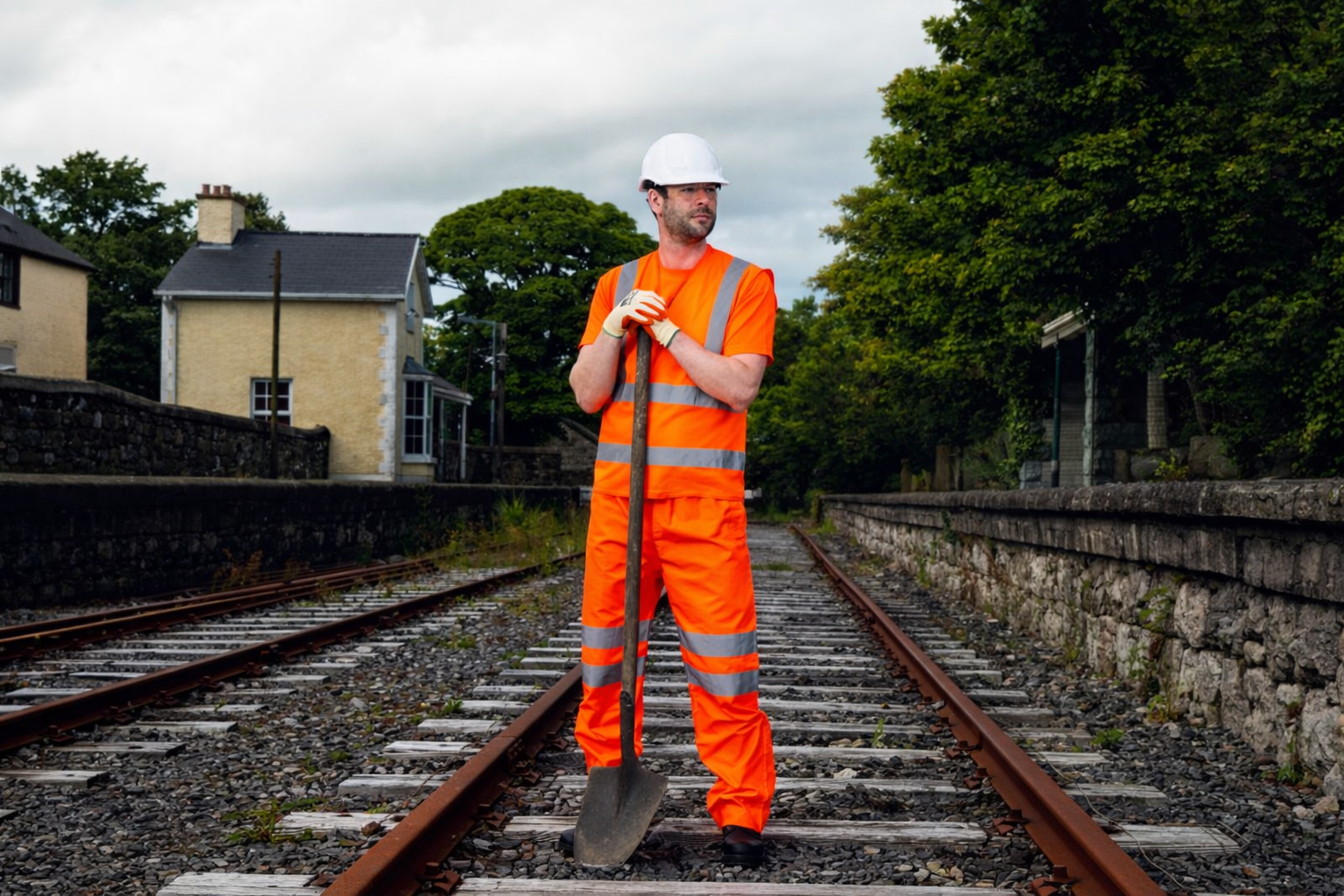
Frankly, this rule applies without exception to workers, machine operators, visitors, and subcontractors. For roadworks or motorway work, Class 3 becomes mandatory.
It is the most visible option, with reinforced retroreflective bands. Roadside assistance and emergency interventions also require this higher class. It ensures effective detection by motorists.
Professional sectors concerned by the obligation
Other sectors are subject to specific rules based on the actual exposure of employees.
-
Logistics and warehouses: mandatory in areas where forklift trucks and motorized vehicles operate
-
Event security: traffic marshals and organizers exposed to public traffic
-
Industrial maintenance: technicians working near moving machinery
-
Railway environments: staff working close to tracks
Employer’s legal responsibilities
The employer must assess risks and provide suitable certified PPE free of charge. This legal obligation covers the replacement of worn equipment and training on correct use. Frankly, in cases of non-compliance, penalties can reach several thousand euros in fines.
Criminal liability is added if an accident occurs. Documenting these procedures effectively protects the company during labor inspection checks.
Frequently asked questions about safety vests
Do you have doubts about the practical aspects of this explanation? That is understandable. Frankly, professionals often contact us with similar questions, and we have compiled the key answers to help you decide.
Do you manage a team on-site, or do you want to improve your road safety? This information will help you avoid common mistakes.
Service life and maintenance
A certified safety vest lasts between two and five years depending on how it is used. Retroreflective bands lose effectiveness with repeated washing and UV exposure.
You should wash it at a maximum of 40°C, without fabric softener, and avoid tumble drying, which damages its reflective properties. Frankly, check the seams and the brightness of the bands regularly to maintain safety.
As soon as nighttime visibility decreases, replace your equipment without delay. You can add your company logo as long as you respect the minimum surface areas required by EN ISO 20471. Poorly positioned branding downgrades your vest and compromises its regulatory compliance.
Obligations and practical choices
Yes, the French Highway Code requires a certified high-visibility vest in every passenger vehicle. In the event of a breakdown on an expressway or motorway, you must wear it before getting out of the vehicle.
As for the classes, the difference lies in the surface area of reflective materials:
-
Class 2: pedestrian use, urban worksites, moderate traffic
-
Class 3: roadworks, motorways, intense nighttime conditions
For sizing, refer to the manufacturer’s chart by measuring your chest circumference over your usual workwear. A vest that is too tight restricts movement, while one that is too loose reduces visibility and creates dangerous snagging points.
Oxwork advice: always test the vest with your full equipment, such as a winter jacket or harness, before ordering for an entire team, and check that the CE marking and standard number are present on the label.
Choosing the right safety vest for your teams with Oxwork
Equipping a field team goes beyond simply buying a fluorescent garment. The visibility class must match the real environment: Class 3 for high-speed roads, Class 2 for logistics areas or urban worksites.
Add durability to the equation, because a vest that fades after three washes quickly becomes non-compliant. Our experience shows that professionals often overlook weather resistance, even though it is decisive for teams working outdoors all year round.
The key criteria for a successful purchase
Three criteria guide a well-informed choice. EN ISO 20471 certification ensures regulatory compliance, but check that the supplier actually tests its products.
Frankly, then assess everyday use: short or long sleeves, practical pockets, zip or hook-and-loop fastenings. Finally, customization with a logo and reinforced retroreflective bands makes it easier to identify teams without compromising safety.
-
EN ISO 20471 certification that can be verified on each product
-
Materials resistant to repeated industrial washing
-
Customization options without compromising visibility
-
Technical advice tailored to your business sector
Why trust Oxwork for your PPE
Oxwork supports safety managers in choosing the exact vest suited to each trade. Our certified vests combine guaranteed compliance with durability tested in real field conditions.
Unlike some resellers, we systematically verify that the retroreflective bands retain their performance after 50 washing cycles. Explore our full range to find the equipment that truly protects your teams.
Protect your teams with the right safety vest
You now know the three visibility classes, the regulatory requirements, and the selection criteria suited to your work environments. A properly chosen safety vest reduces the risk of accidents and ensures your company remains legally compliant.
Review your field needs: which roles expose your employees to risk? Which class matches their level of exposure?
Are you looking for EN ISO 20471-compliant vests for your teams? Oxwork offers a complete range of high-visibility PPE suited to all sectors.
Browse our online catalog or contact our customer service team for personalized advice on the models best suited to your trade requirements.
Your teams deserve protection without compromise.

