DE
DE  FR
FR  IT
IT 
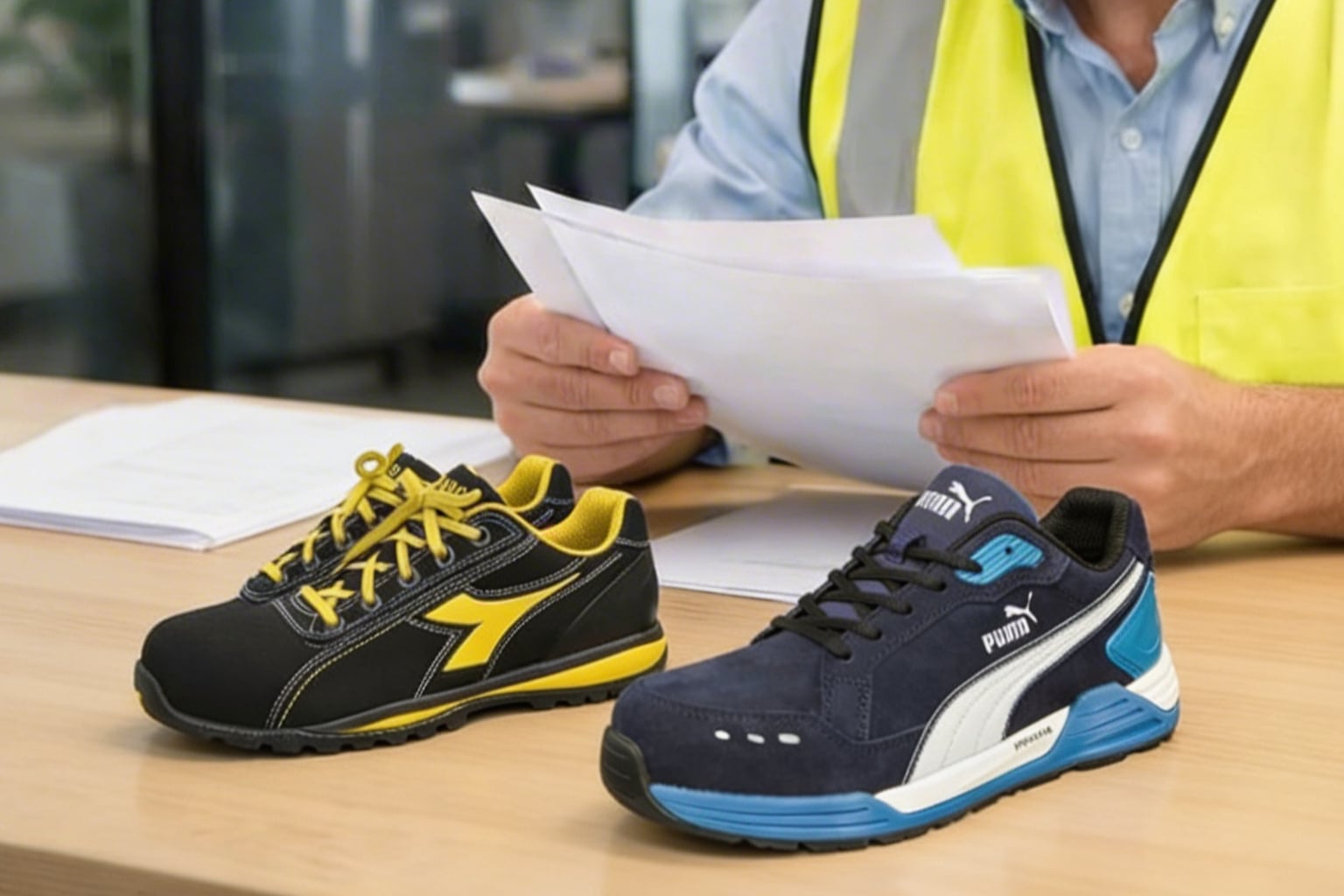
S3 vs S1P safety shoes differ across 12 technical criteria, including waterproofing, puncture-resistant midsoles and resistance to hydrocarbons.
-
The S3 standard provides full protection for outdoor construction sites with a metal anti-perforation midsole and complete waterproofing.
-
The S1P model prioritizes comfort in dry environments with a textile anti-perforation midsole and a breathable, non-waterproof upper.
-
Choosing the wrong standard exposes your teams to accident risks and compromises your regulatory compliance.
A worker slips on a wet surface. Verdict: sprain, three weeks off work.
The cause? S1P shoes worn on an outdoor site where the S3 standard was mandatory.
This confusion between S3 vs S1P safety shoes leads every year to preventable accidents and penalties for non-compliance.
Yet understanding these standards remains unclear for many QHSE managers and PPE buyers. Technical data sheets multiply codes (even though they often look similar), and sales representatives oversimplify by promising “the best protection.”
We break down the 12 concrete differences between S3 and S1P: waterproofing, mechanical resistance, on-site durability, real cost over 12 months. You will discover why S3 dominates on harsh outdoor sites while S1P excels in dry workshops, what salespeople deliberately omit during demonstrations, and how to build a decision matrix tailored to your teams’ professions.
Oxwork helps you eliminate grey areas and choose the protection that truly matches your working environments.
Why confusion between S3 and S1P costs companies money
Selecting S3 vs S1P safety shoes without proper assessment exposes your company to real hazards. A common mistake: providing non-waterproof S1P shoes to workers operating in wet areas.
The result? Slips, sprains, and sometimes worse.
EU-OSHA data adapted to the French market confirms that an appropriate SRC outsole reduces falls on oily surfaces by 45%. This essential distinction between standards remains unknown to many decision-makers.
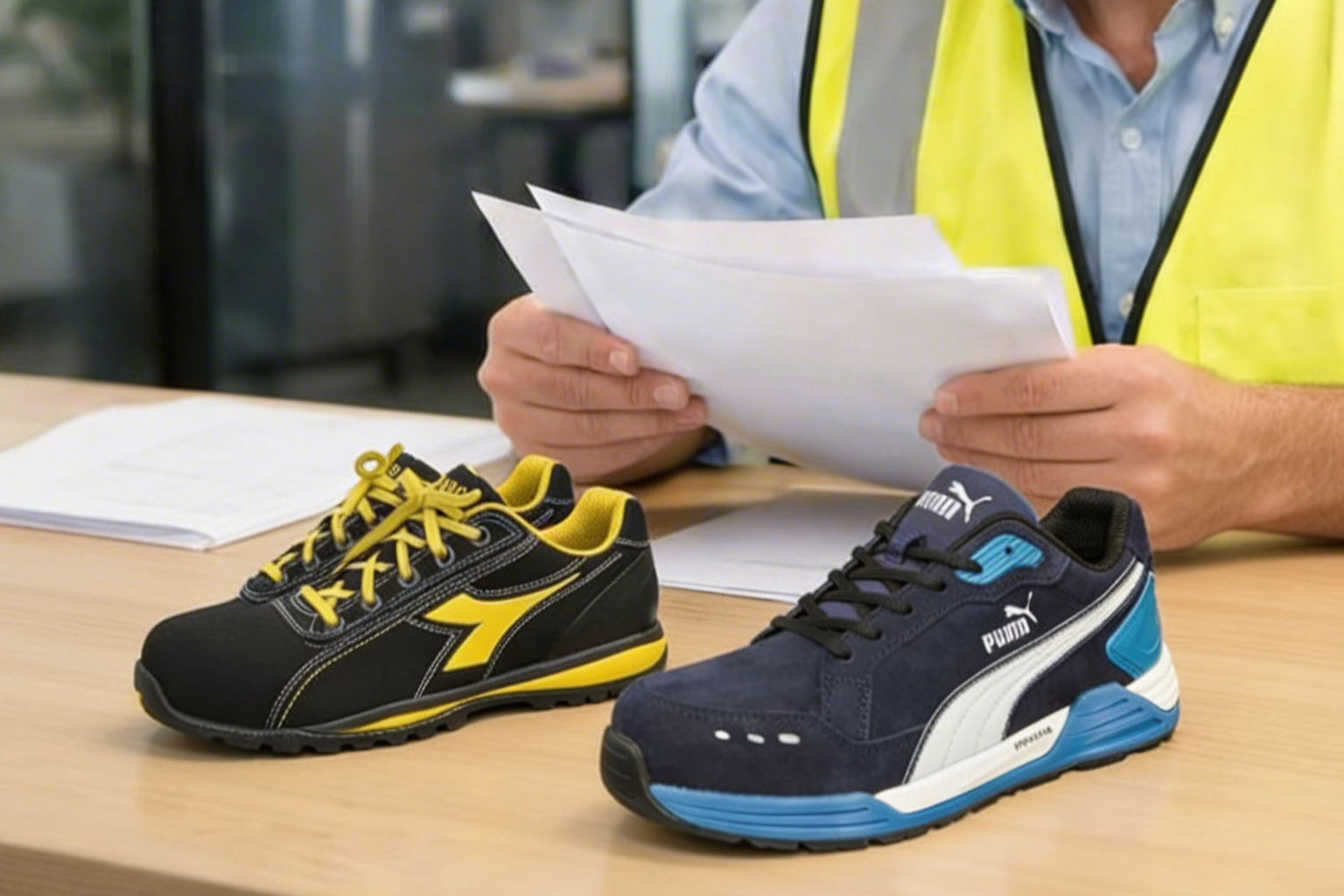
Preventable accidents caused by choosing the wrong standard
A worker wearing S1P shoes on a rainy outdoor construction site risks puncture injuries. Water penetrates, and the sole loses its grip.
These situations generate costly work stoppages for the company. Conversely, imposing rigid S3 models in a dry environment leads to unnecessary fatigue and refusal to wear them.
Mismatch has direct consequences in this field. Every preventable slip directly impacts your regulatory compliance and overall productivity.
S3 safety shoes: maximum protection for harsh environments
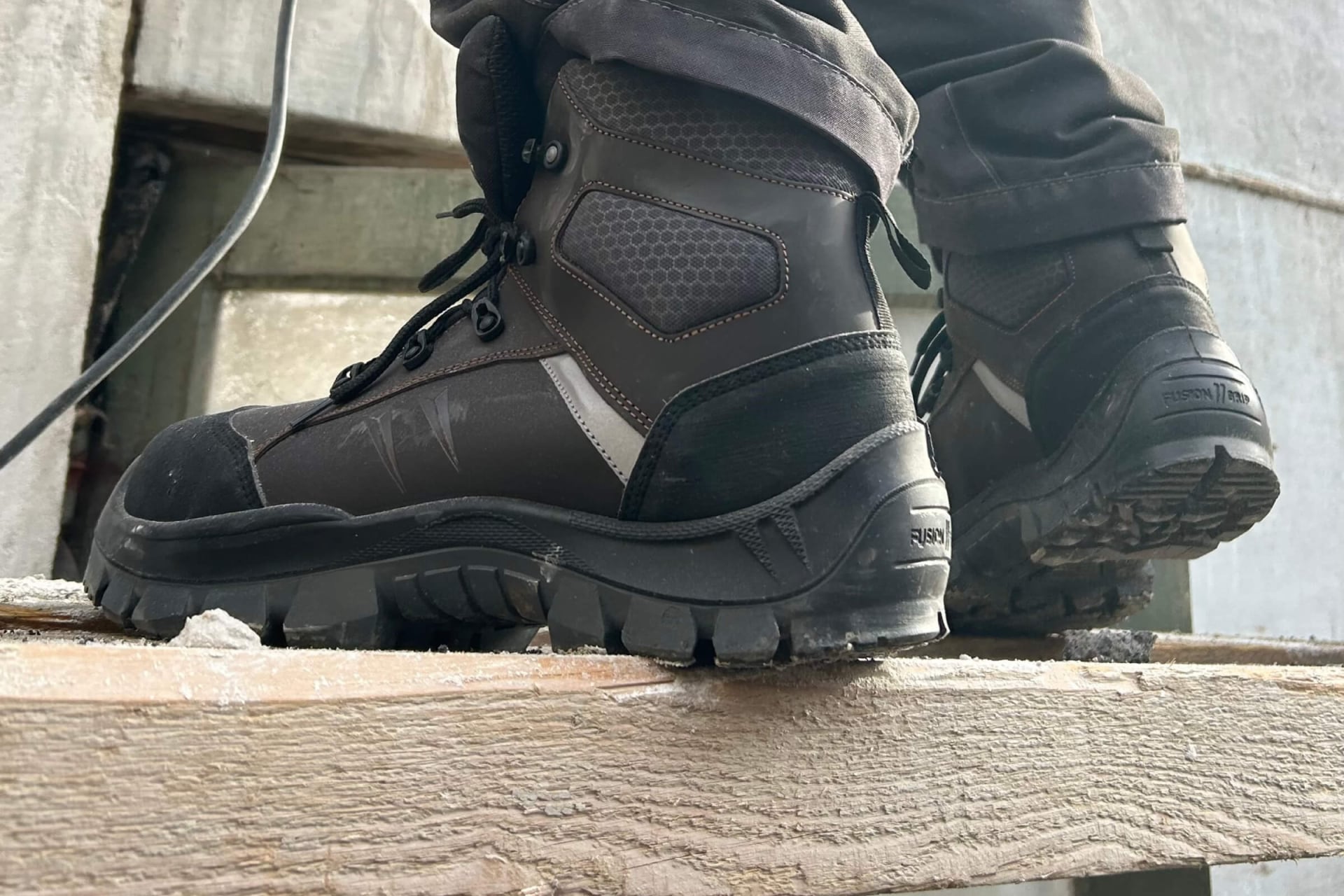
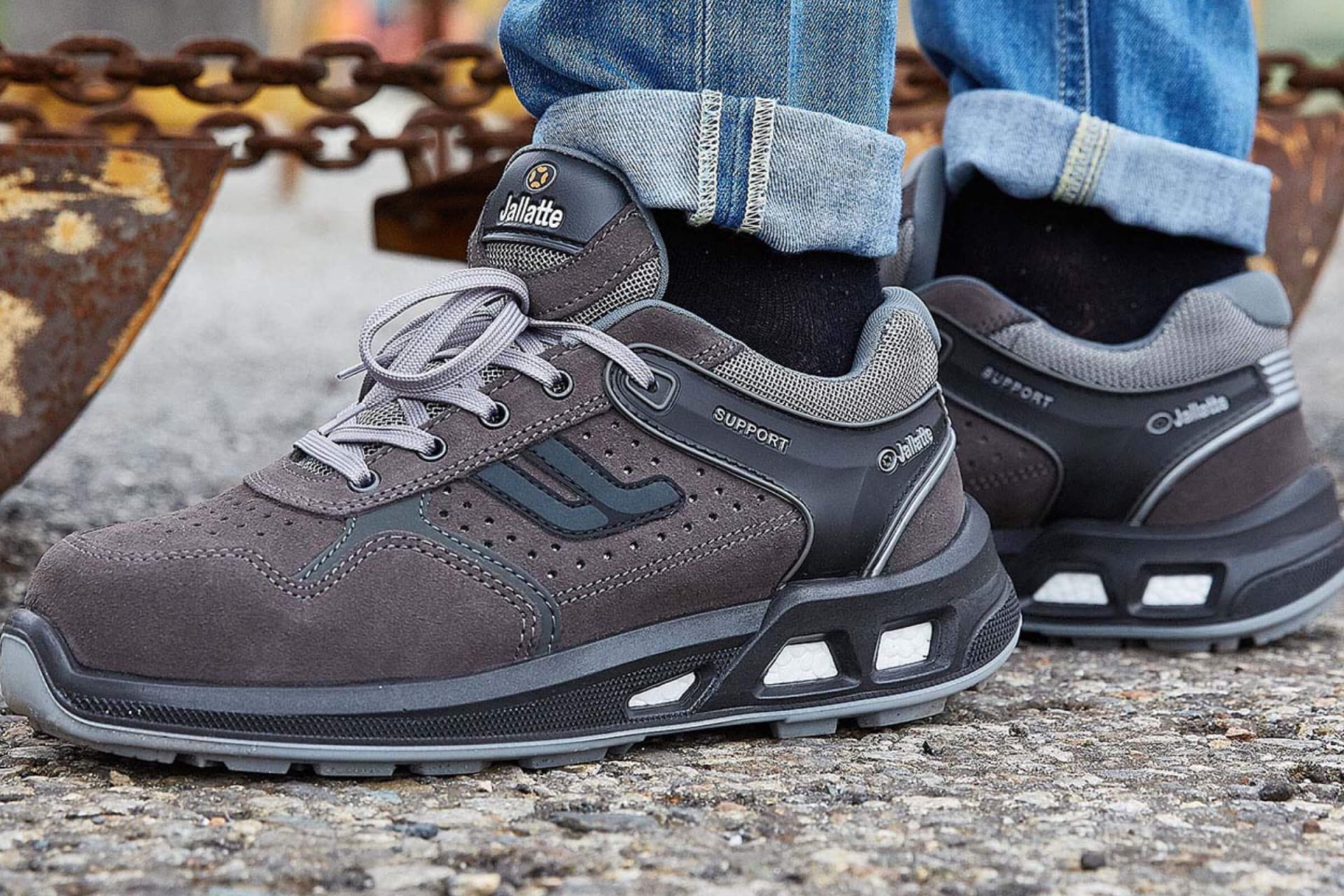
S3 safety shoes provide maximum protection for high-risk professions. Unlike S1P models, they include mandatory water resistance in accordance with EN ISO 20345:2011.
This technical feature makes a real difference for outdoor professionals. The waterproof membrane blocks water penetration for at least 60 minutes during standardized tests — a requirement that S1P models do not meet.
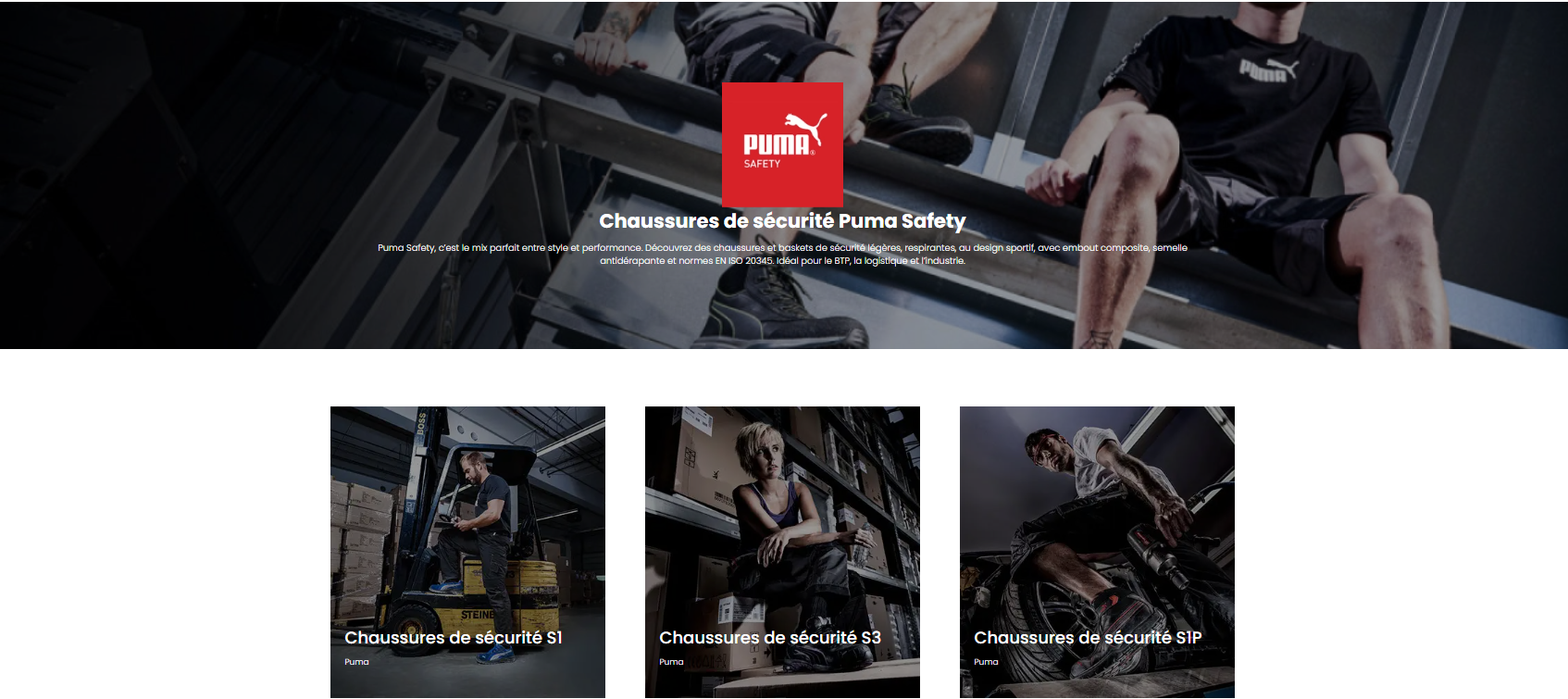
Technical breakdown of the S3 standard
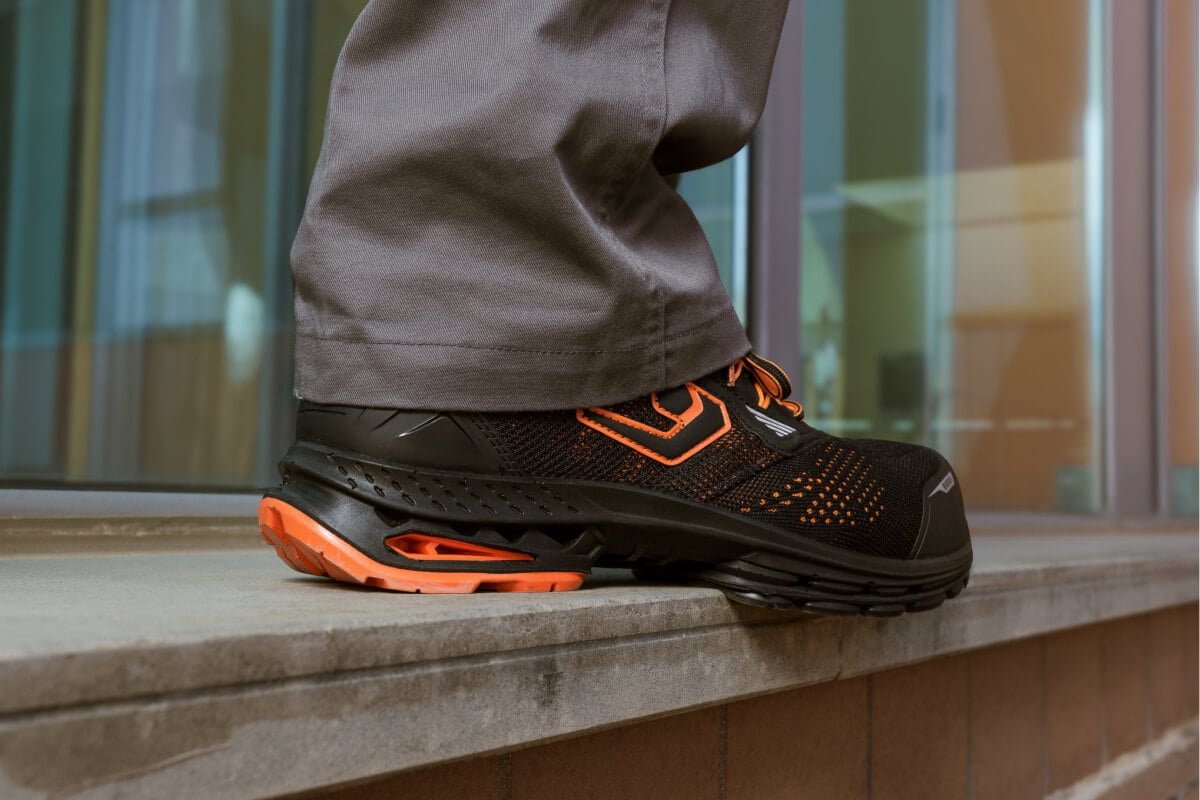
The S3 certification includes five essential protections for your safety shoes. The toe cap withstands impacts of 200 joules.
The metal or composite anti-perforation midsole blocks nails up to 1,100 newtons. Antistatic properties dissipate accumulated electrical charges.
Energy absorption in the heel reduces shocks by at least 20 joules. The outsole is resistant to hydrocarbons.
A professional pair of S3 shoes costs between €80 and €180. This represents approximately €0.30 per day over 12 to 18 months of use in demanding conditions.
Which professions require S3 as mandatory protection?
The choice between S3 and S1P safety shoes becomes obvious depending on your sector. Public works and civil engineering require S3 due to constant exposure to moisture.
Outdoor construction, earthworks and roofing demand this reinforced protection. Cold storage facilities and the food industry also impose this standard.
Ignoring this obligation exposes your company to penalties during labor inspection checks.
S1P safety shoes: the performance–comfort compromise for dry indoor environments
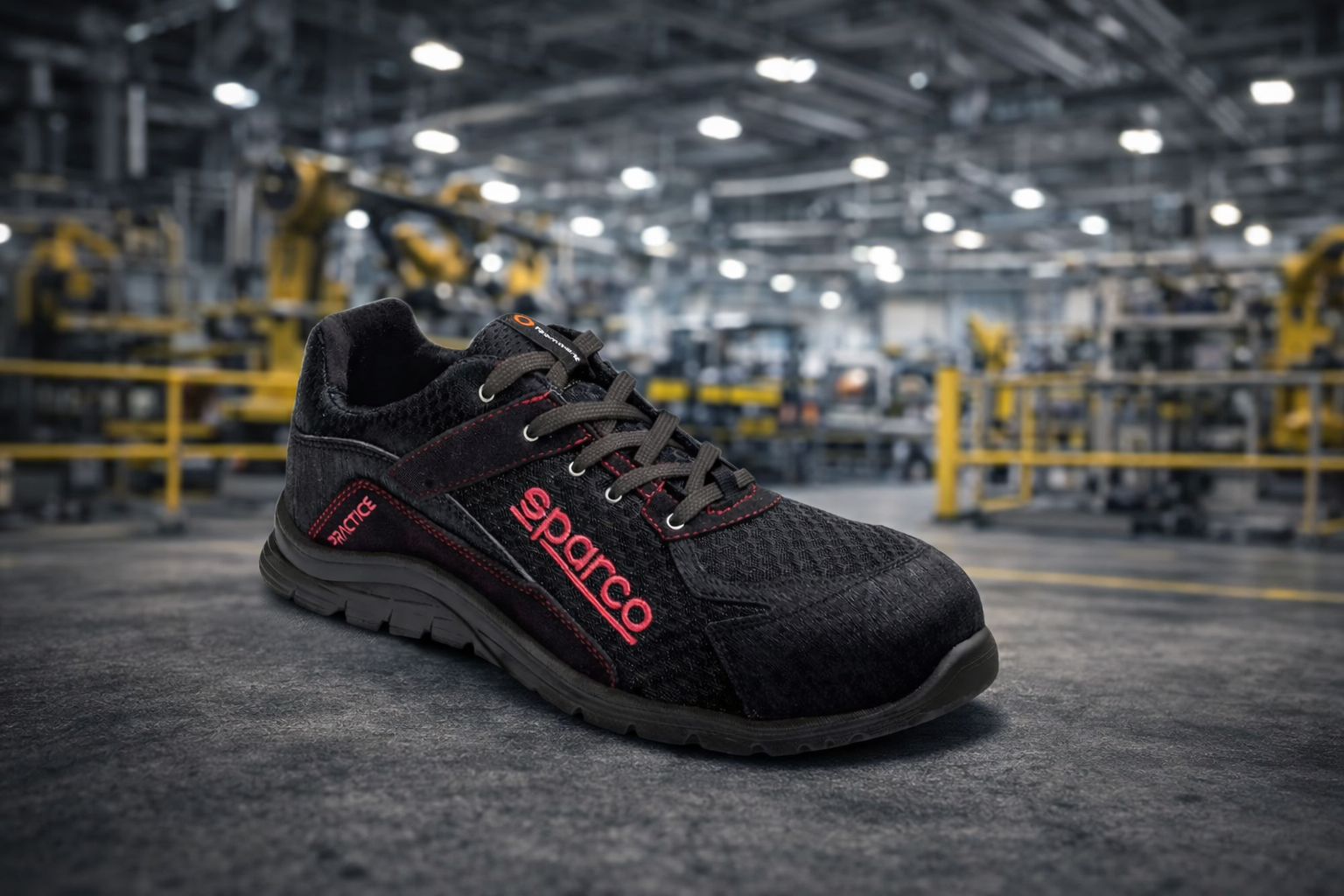
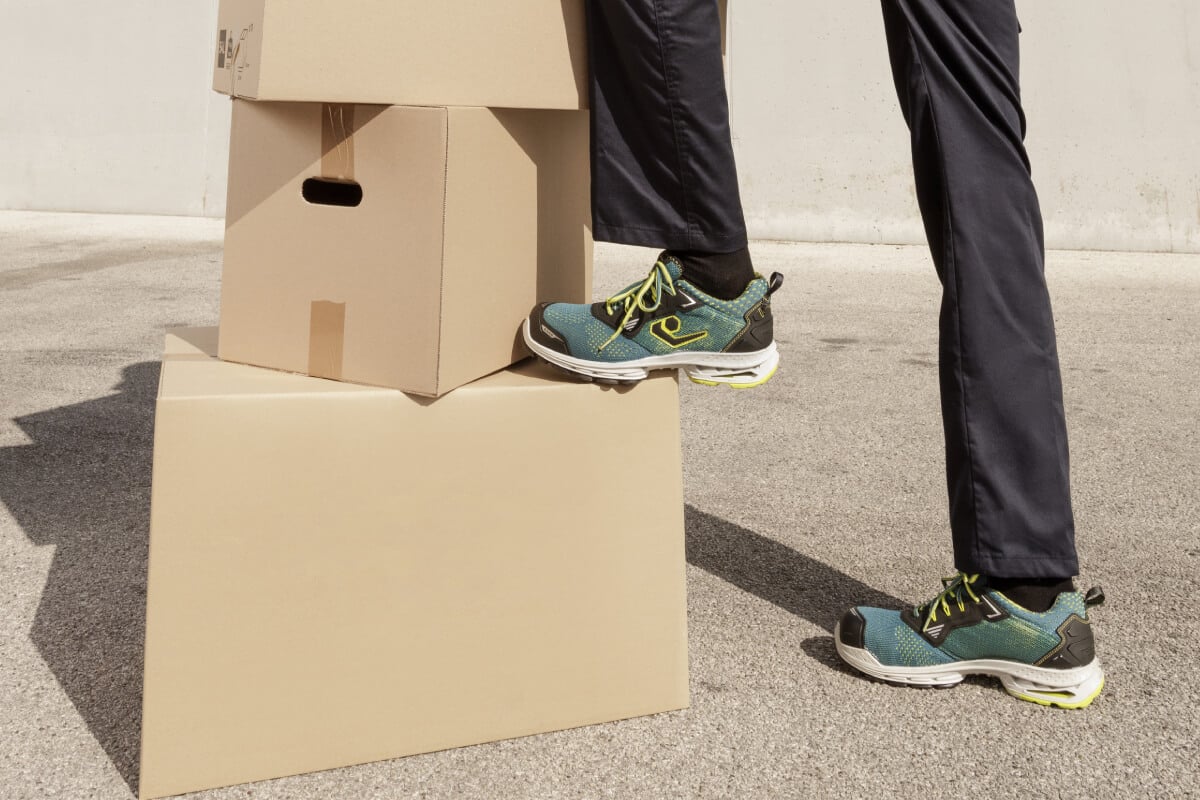
Less reinforced than its S3 counterpart, S1P proves highly effective where lightness matters most. Do you spend 10 hours standing in a warehouse?
The weight difference — around 200 grams per shoe — becomes significant at the end of the day. This standard includes a protective toe cap, anti-perforation midsole and antistatic properties, but sacrifices waterproofing in favor of breathability.
Anatomy of an S1P safety shoe
The lightweight construction uses breathable materials such as perforated leather or technical textiles to evacuate perspiration. The EN ISO 20345-certified anti-perforation midsole resists nails up to 1,100 newtons.
The absence of a waterproof membrane compared to S3 models reduces the price by €15 to €25 per pair.
Environments where S1P excels
This level of protection is perfectly suited to logistics platforms, assembly workshops and dry indoor construction sites. It should be avoided in wet areas or exposed outdoor environments.
As a simple rule: S1P for indoor mobility, S3 for extreme conditions. Oxwork tip: test sole flexibility in-store.
An S1P shoe must flex easily at the forefoot, ensuring prolonged comfort during your daily movements.
The 12 technical differences between S3 and S1P explained
You need to understand the technical differences between these standards to make an informed choice. S3 vs S1P safety shoes differ across several measurable aspects, with a direct impact on your budget and comfort.
The S3 sole contains a metal or composite anti-perforation protection, completely absent in S1P. Waterproofing is the other key difference: S3 models resist water penetration according to EN ISO 20345, whereas S1P models allow moisture to pass through without obstruction.
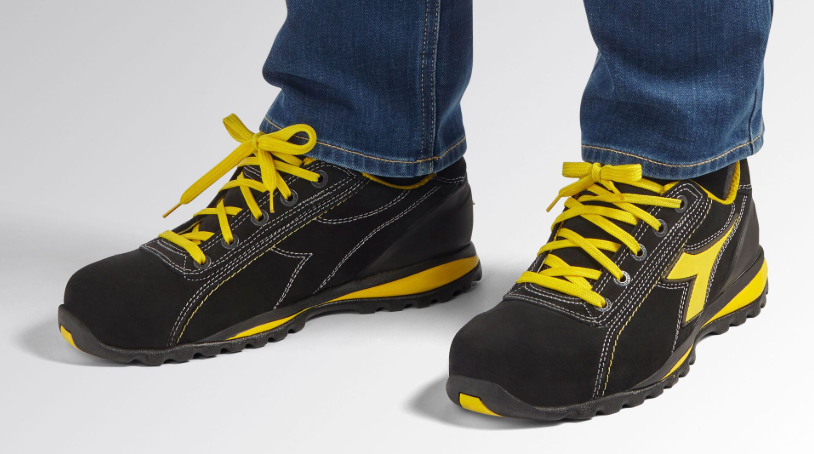
What PPE sellers never tell you about S3 and S1P
Commercial margins reveal everything. A supplier earns 40% more on an S3 pair than on a comparable S1P pair.
As a result, your sales representative insists on “essential waterproofing” even if you work indoors in dry conditions all year. This classic approach leads to completely unnecessary over-equipment.
Sales tactics that make you overpay
Be cautious of vague claims such as “reinforced protection” or “premium materials.” These terms guarantee nothing beyond the certified standard.
Two S3 shoes may display the same EN ISO 20345 marking while showing very different durability levels. European notified bodies validate the minimum threshold, not the excellence of the final product.
How to recognize a truly high-quality safety shoe
Examine the removable insole (replacement costs €15–25 per pair). Check whether the model allows future resoling.
Some manufacturers use low-cost adhesives that barely pass adhesion tests but fail after six months. Ask for the real warranty duration, not the one advertised.
Examine the removable insole (replacement costs €15–25 per pair). Check whether the model allows future resoling.
Some manufacturers use low-cost adhesives that barely pass adhesion tests but fail after six months. Ask for the real warranty duration, not the one advertised.
12-month analysis of real S3 vs S1P costs
Let’s take a concrete example to illustrate the price difference. An S1P pair costs between €45 and €70. An S3 model ranges between €80 and €120 from most suppliers.
The gap seems clear at first glance. Over twelve months of intensive use on construction sites or in logistics, the reality changes completely.
Comparison of acquisition and maintenance costs, S3 vs S1P
| Expense item | S1P (12 months) | S3 (12 months) |
|---|---|---|
| Initial purchase | €60 × 2 pairs = €120 | €100 × 1 pair = €100 |
| Maintenance (insoles, cleaning) | €20 | €15 |
| Replacement | €60 (additional pair) | €0 |
| Total annual cost | €200 | €115 |
Cost per day calculation
Over 220 working days, S3 represents €0.52 per day compared to €0.91 for two S1P pairs. B2B buyers obtain volume discounts of 10 to 15% from 20 pairs ordered.
You also reduce sick leave and improve satisfaction among your field teams.
Negotiate annual volumes instead of purchasing sporadically, especially when equipping multiple teams working on wet or dirty sites.
Decision matrix: Which model should you choose for your profession?
The choice between S3 vs S1P safety shoes depends on your working environment. Do you regularly work outdoors with puddles or mud?
Do the floors present irregularities or obstacles? In these conditions, the S3 standard is the appropriate solution.
Conversely, dry and clean indoor environments generally require S1P protection, which remains fully sufficient for these contexts.
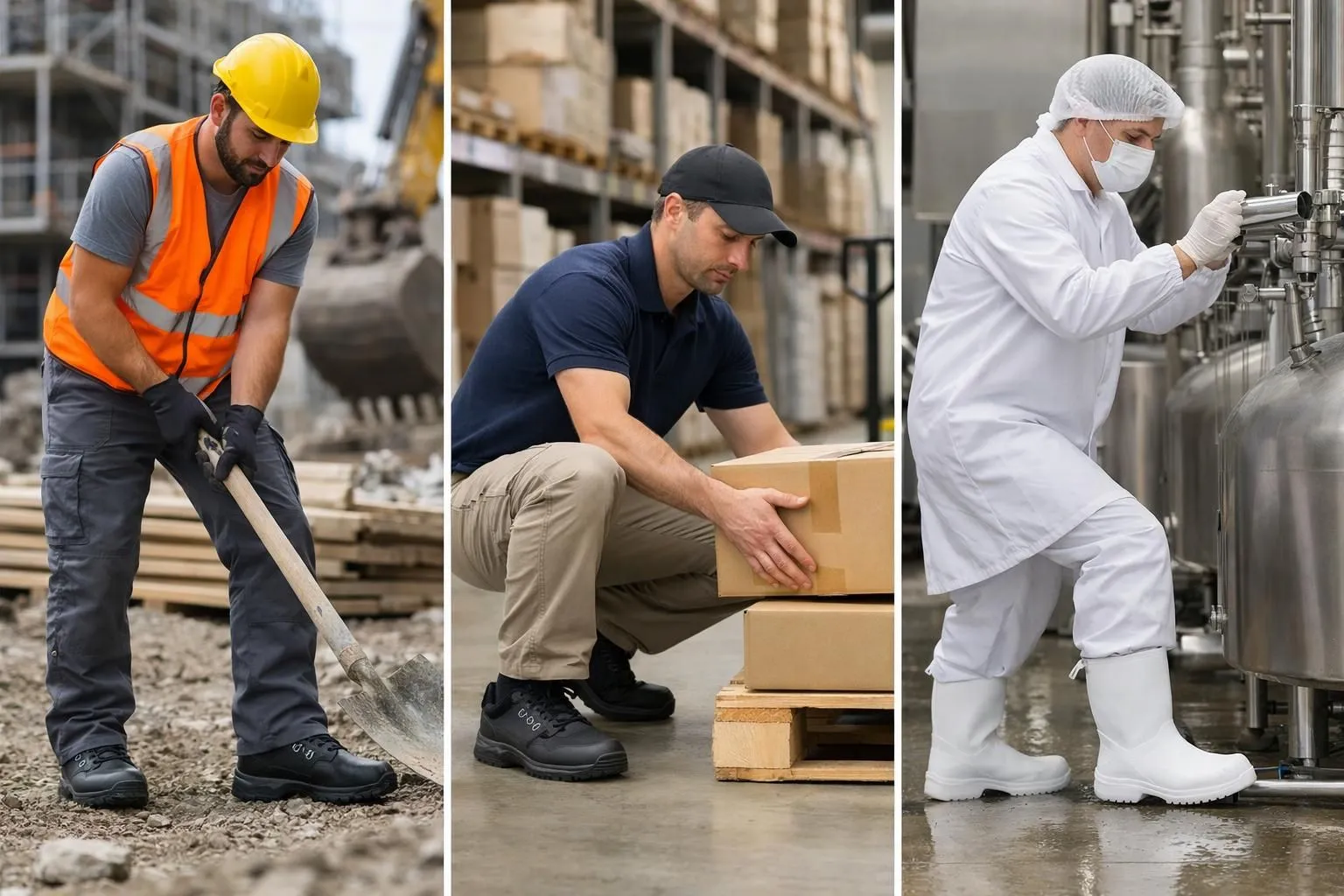
Decision guide by sector of activity
Each sector has its own protection requirements. Construction systematically requires S3 due to frequent puncture risks and omnipresent mud.
In dry warehouse logistics, S1P is often preferred for long-distance comfort. The food industry requires S3 waterproofing, including in indoor environments.
Multi-site technicians often choose two different pairs adapted to their daily tasks.
Properly document your choice for DUER compliance
Your Single Risk Assessment Document (DUER) must explain your protection choices. List identified risks such as punctures, slips or water splashes, then link them to the appropriate standards.
Keep the CE certificates of each selected model. This documentation legally protects the employer during labor inspection controls.
Frequently asked questions about S3 and S1P standards
Can S3 shoes be worn in an S1P environment? Yes, without restriction.
S3 offers higher protection than S1P thanks to waterproofing and an anti-perforation sole. Conversely, using S1P on a wet construction site increases accident risks.
During an inspection, a labor inspector may sanction the employer if the equipment does not comply with the documented risk assessment.
Compliance and regulation
Check the EN ISO 20345 certification engraved on the inner tongue of your shoes. Hybrid models exist on the market, but none carry both markings at the same time. It is either S3 or S1P.
Treating S1P shoes with a waterproof spray never replaces official S3 certification. The internal construction differs completely between these two categories.
Practical use and maintenance
Do S3 shoes cause more fatigue? Not systematically.
Modern technologies such as breathable membranes reduce overheating of the foot. Regularly clean your S3 or S1P safety shoes to preserve their protective properties and extend their lifespan.
Oxwork helps you choose the protection adapted to your teams
Choosing between S3 and S1P safety shoes requires analyzing your job constraints. Our team reviews your DUER, identifies real risks and recommends the protection adapted to your activities.
We align regulatory standards with your budgets and field constraints to guide you toward the standard that truly fits your situation.
A complete S3 and S1P range for all professions
Our selection covers all professional market needs. Lightweight S1P models are suitable for logistics warehouses.
Reinforced S3 boots are adapted to construction and heavy industries. Each reference is certified under the European PPE Regulation, with compliance documentation provided for your audits.
Expert support for compliance and optimal choice
Our QHSE experts assist you with volume-based pricing. Centralized invoicing and a flexible return policy are available for morphological adjustments. You benefit from express delivery across France if your teams lack equipment.
Contact our sales department to obtain a free needs audit.
Choosing between S3 and S1P safety shoes: a strategic decision for your company
The difference between S3 and S1P safety shoes is not limited to a simple protection level. It is a matter of regulatory compliance, real risk analysis and PPE budget optimization.
Your DUER remains your best guide. Wet environments, splashes, slippery floors?
S3 is required. Dry workshops, indoor logistics?
S1P is largely sufficient.
Start by photographing the relevant work areas. Identify water points, surfaces and recorded risks.
This concrete analysis immediately directs you toward the right level of protection.
Need help equipping your teams with the right safety shoes? The Oxwork team analyzes your working environment and recommends models adapted to your real risks.
Browse our online catalog to compare technical specifications. We support you in choosing PPE compliant with your activity.
Protecting your employees begins with understanding their daily risks.